
Content Calendar Services for Planned Publishing Workflows
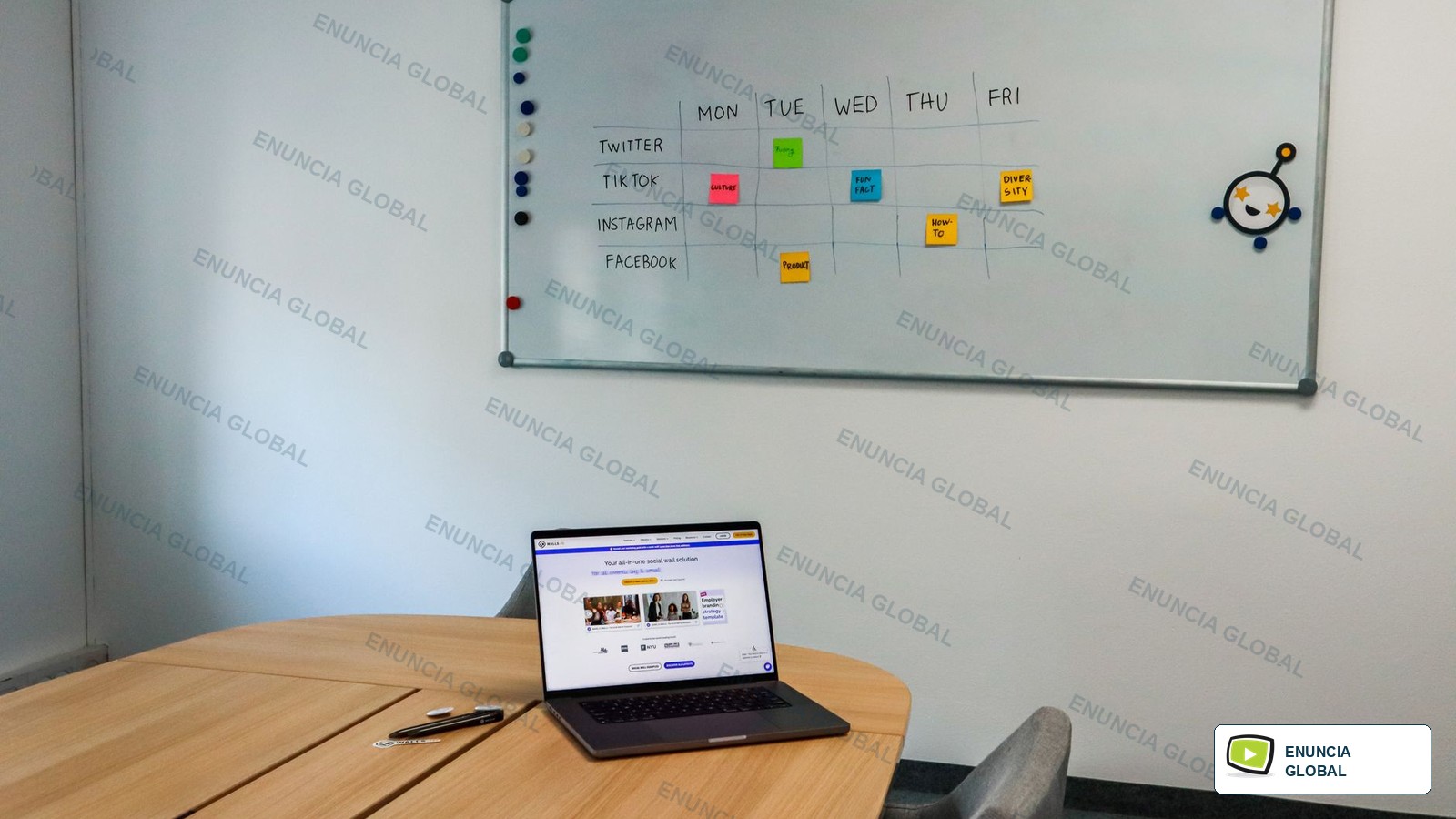
Content calendar services help teams plan what to publish, when to publish it and why each item exists. Enuncia Global supports calendars for blogs, service pages, social posts, campaigns, localization work and recurring updates.
The calendar is built around audience questions, business priorities, keyword opportunities, approval capacity, creative needs and the links each piece should support.
Who This Service Is For
Content Calendar Services is written for teams that publish blogs, service updates, social posts or campaigns and need a controlled plan instead of random topics.
A content calendar is not just a date list. It should connect customer need, service priority, proof, audience stage, production owner and publishing status.
What Makes This Page Different
The page is built around content calendar planning, not a copied list of broad language-service promises.
Useful page depth comes from concrete examples, route checks, quality risks, deliverables, intake details and links to related Enuncia services.
Use Case Route Table
| Use case | Main review point | Risk to avoid |
|---|---|---|
| monthly blog planning | business priority | calendar is full but strategy is absent |
| social media calendars | keyword intent | too many posts point to weak pages |
| SEO page refresh plans | publish date | approval bottlenecks delay publishing |
| campaign calendars | content owner | topics repeat each other |
| language-page schedules | approval step | seasonal content starts too late |
| Google Business posts | creative need | performance notes are never fed back |
| newsletter topics | internal link | calendar is full but strategy is absent |
| content audit queues | service page | too many posts point to weak pages |
Practical Client Scenarios
- monthly blog planning usually needs business priority, content owner and a clear note about monthly calendar.
- For social media calendars, Enuncia asks about services to prioritize before deciding whether publish slot needs special handling.
- A brief involving SEO page refresh plans can change when approval bottlenecks delay publishing, so the team checks the final reader early.
- When campaign calendars is urgent, the safer route is to confirm channel before polishing the final format.
- Clients sending language-page schedules should mention blog version and whether the output will be reused later.
- A reviewer looking at Google Business posts may compare approval state with result note.
- The delivery note for newsletter topics should name approval map instead of saying only that the file is complete.
- Before content audit queues is treated as ready, Enuncia checks whether publish date will affect the next user.
What Enuncia Checks Before Quoting
- Check business priority against draft owner before the file is marked ready.
- Review keyword intent when topics repeat each other, because the final user may notice it first.
- Confirm publish date if channels is missing or unclear.
- Record content owner in the handoff note so approval map is not guessed later.
- Check approval step against blog version before the file is marked ready.
- Review creative need when too many posts point to weak pages, because the final user may notice it first.
- Confirm internal link if deadline is missing or unclear.
- Record service page in the handoff note so publish tracker is not guessed later.
- Check channel against topic title before the file is marked ready.
- Review status when performance notes are never fed back, because the final user may notice it first.
- Confirm reuse angle if publishing frequency is missing or unclear.
- Record performance note in the handoff note so topic backlog is not guessed later.
Quality Risks To Avoid
- Risk 1: calendar is full but strategy is absent; prevent it by capturing services to prioritize and checking internal link before delivery.
- Risk 2: too many posts point to weak pages; prevent it by capturing channels and checking service page before delivery.
- Risk 3: approval bottlenecks delay publishing; prevent it by capturing publishing frequency and checking channel before delivery.
- Risk 4: topics repeat each other; prevent it by capturing existing URLs and checking status before delivery.
- Risk 5: seasonal content starts too late; prevent it by capturing approval process and checking reuse angle before delivery.
- Risk 6: performance notes are never fed back; prevent it by capturing deadline and checking performance note before delivery.
Workflow
- Share business goals, services to prioritize, channels and the final use of the file.
- Enuncia reviews business priority, keyword intent, publish date, content owner before confirming the route.
- The team prepares monthly calendar, topic backlog, publish tracker according to the approved brief.
- A reviewer checks topic title, target URL, keyword cluster, publish slot so the output is not just a generic service file.
- Any unclear point is returned for confirmation before final handover.
- The finished file is delivered with the agreed format, naming and next-action note.
Review Points That Make This Page Useful
- Review point 1: topic title is reviewed in relation to monthly calendar and the stated content calendar planning purpose.
- Review point 2: target URL is reviewed in relation to topic backlog and the stated content calendar planning purpose.
- Review point 3: keyword cluster is reviewed in relation to publish tracker and the stated content calendar planning purpose.
- Review point 4: publish slot is reviewed in relation to approval map and the stated content calendar planning purpose.
- Review point 5: draft owner is reviewed in relation to repurposing plan and the stated content calendar planning purpose.
- Review point 6: image brief is reviewed in relation to monthly calendar and the stated content calendar planning purpose.
- Review point 7: approval state is reviewed in relation to topic backlog and the stated content calendar planning purpose.
- Review point 8: social version is reviewed in relation to publish tracker and the stated content calendar planning purpose.
- Review point 9: blog version is reviewed in relation to approval map and the stated content calendar planning purpose.
- Review point 10: CTA is reviewed in relation to repurposing plan and the stated content calendar planning purpose.
- Review point 11: internal link is reviewed in relation to monthly calendar and the stated content calendar planning purpose.
- Review point 12: result note is reviewed in relation to topic backlog and the stated content calendar planning purpose.
What To Share
- business goals
- services to prioritize
- channels
- publishing frequency
- existing URLs
- approval process
- deadline
Expected Deliverables
- monthly calendar
- topic backlog
- publish tracker
- approval map
- repurposing plan
Helpful Official Reference
External references are used sparingly on Enuncia Global pages when they help a reader verify standards, accessibility, search or document-route context.
FAQs
Can a calendar include blogs and social posts?
Yes. That is often better than planning channels separately.
Can old pages be included?
Yes. Refreshes should sit in the calendar alongside new content.
Does Enuncia publish from the calendar?
Publishing can be handled when access, approvals and scope are confirmed.
Send Files For Review
Share the source file, target language or platform, final use, deadline and any receiver instruction. Enuncia Global will confirm the practical content calendar planning route before work starts.