
Enuncia Global's Vision for the future
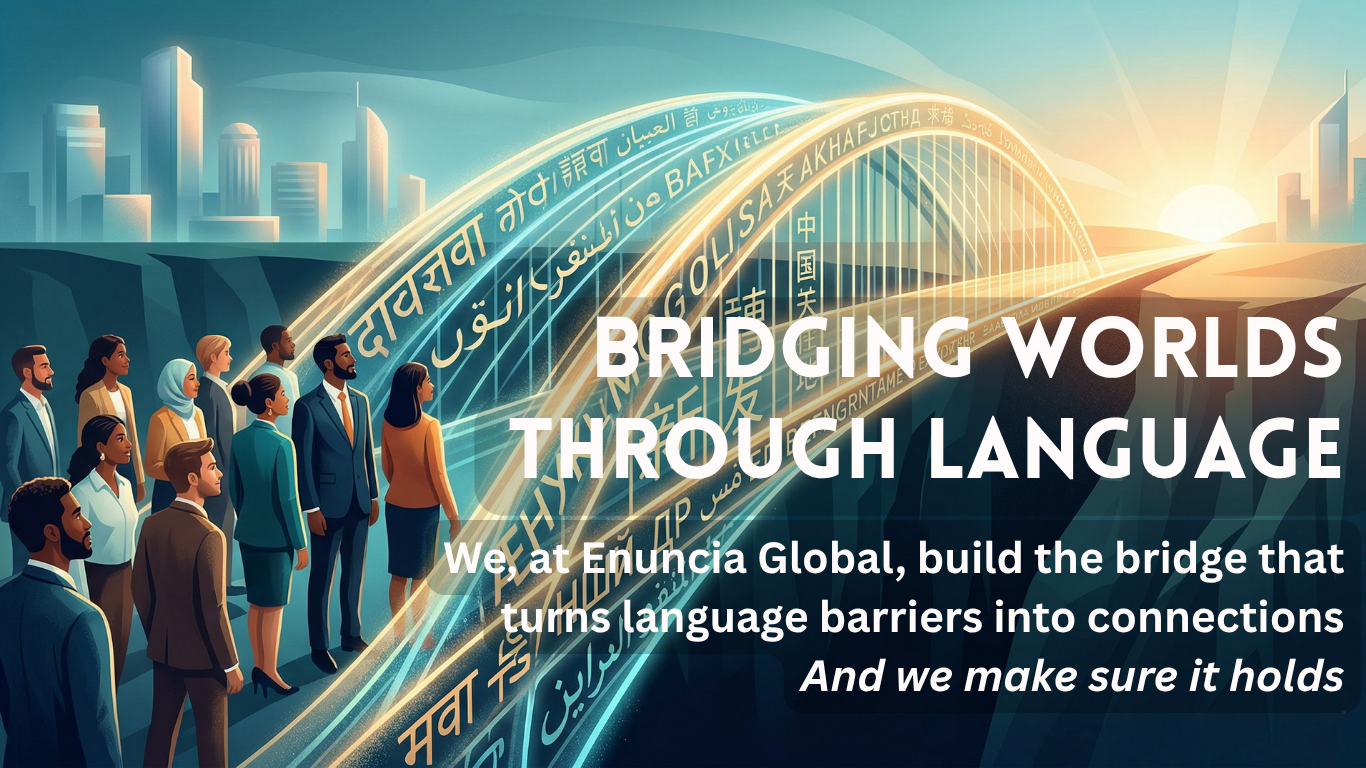
Our Vision
What Enuncia Global is building—and why it matters beyond business.
If there’s one thing we’ve learned over the years, it’s this:
Language should never be the reason someone is held back.
Not from opportunities.
Not from justice.
Not from education.
Not from being understood.
That belief sits at the core of Enuncia Global. Our Journey speaks it aloud.
Removing Language as a Barrier
At a basic level, our vision is simple—to make language invisible as a barrier.
When someone submits a document, applies for a visa, presents a legal case, or shares personal proof, the focus should be on the content, not the language it is written in.
We want to build a system where translations are so accurate, so well-structured, and so reliable that they are accepted without hesitation
Where the question is never, “Is this translation correct?”
Because it simply is.
Serving Even the Rarest Languages
Most companies focus on widely spoken languages—and that makes sense from a business perspective.
But language is not just a tool. It is identity. It is culture.
Enuncia Global’s vision goes beyond the common.
We aim to build capabilities to support even the rarest of languages—the ones that are often ignored because they are difficult, uncommon, or commercially less viable.
Because for the person who speaks that language, it is not “rare.”
It is everything.
Preserving Languages Before They Disappear
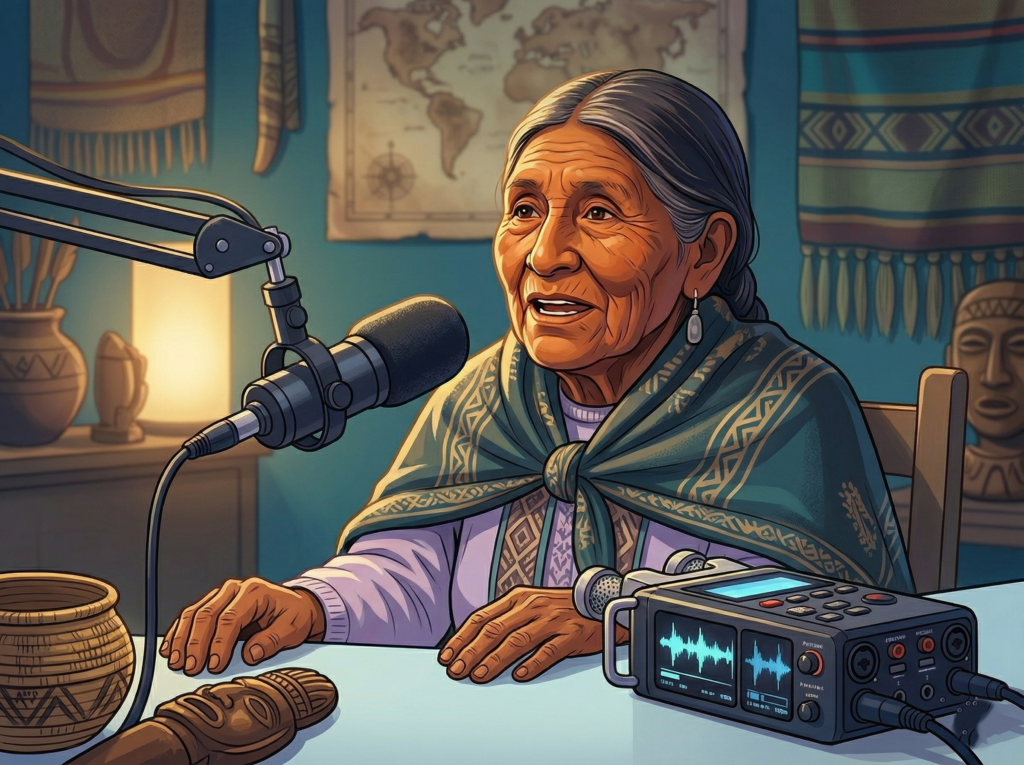
Over time, many languages fade—not because they lack value, but because they lack documentation.
According to the internet, anywhere between 400 – 600 languages have gone extinct in the past 100 years including some Indian languages.
This is something we want to change at Enuncia Global.
As we grow, one of our long-term goals is to develop structured translation guides and linguistic resources for languages that are on the verge of extinction.
Not as a side project, but as a responsibility.
Because once a language disappears, it takes with it stories, histories, and ways of thinking that cannot be recreated.
Deciphering the Past, Not Just Translating the Present
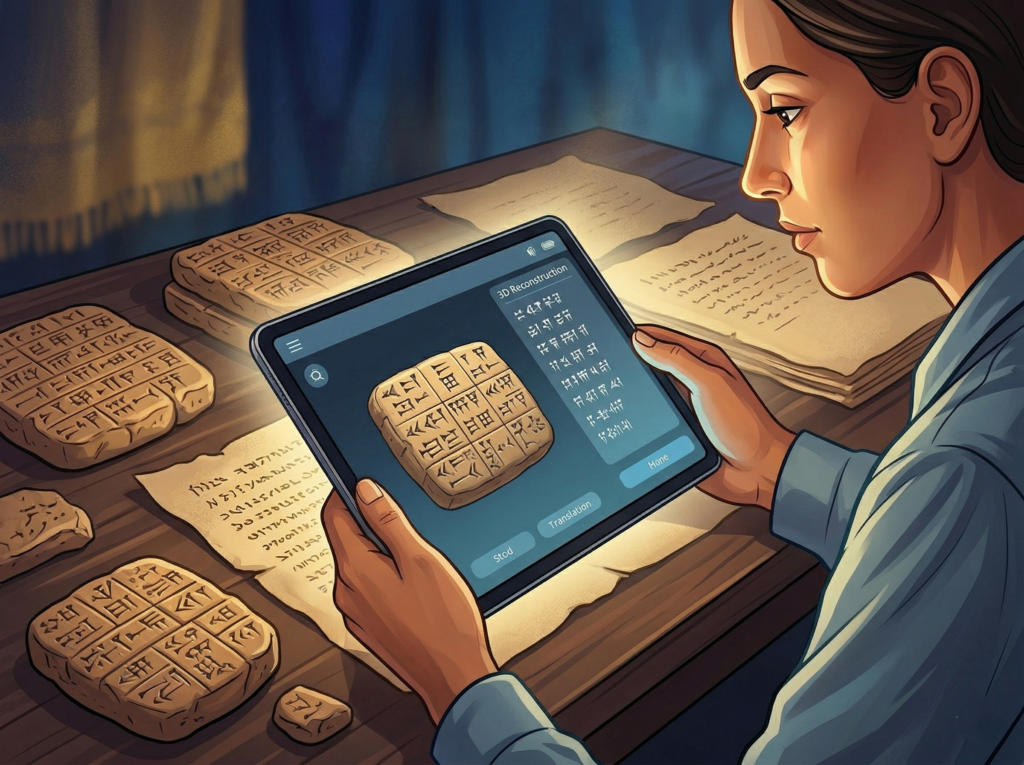
Language is not only about what is spoken today—it is also about what was written centuries ago.
There are texts, scripts, and inscriptions whose meanings are still unclear or partially understood.
We, at Enuncia Global, wants to contribute to changing that.
By building capabilities—through research, collaboration, and technology—we aim to explore ways to decipher ancient languages and bring their true meaning forward.
Not just for academic interest, but to make knowledge that already exists… accessible again.
Speed, Accuracy, and Cost—Without Compromise
In today’s world, expectations are clear:
Work should be fast.
It should be accurate.
And it should be reasonably priced.
The challenge is that improving one often affects the others.
Enuncia Global’s vision is to continuously improve all three—without compromising on quality.
This means:
- Smarter workflows
- Better use of technology (without over-reliance on automation)
- Stronger human review systems
- Efficient processes that reduce unnecessary delays
The goal is not just to work faster—but to work better, in a way that benefits the client.
Building a System, Not Just a Service
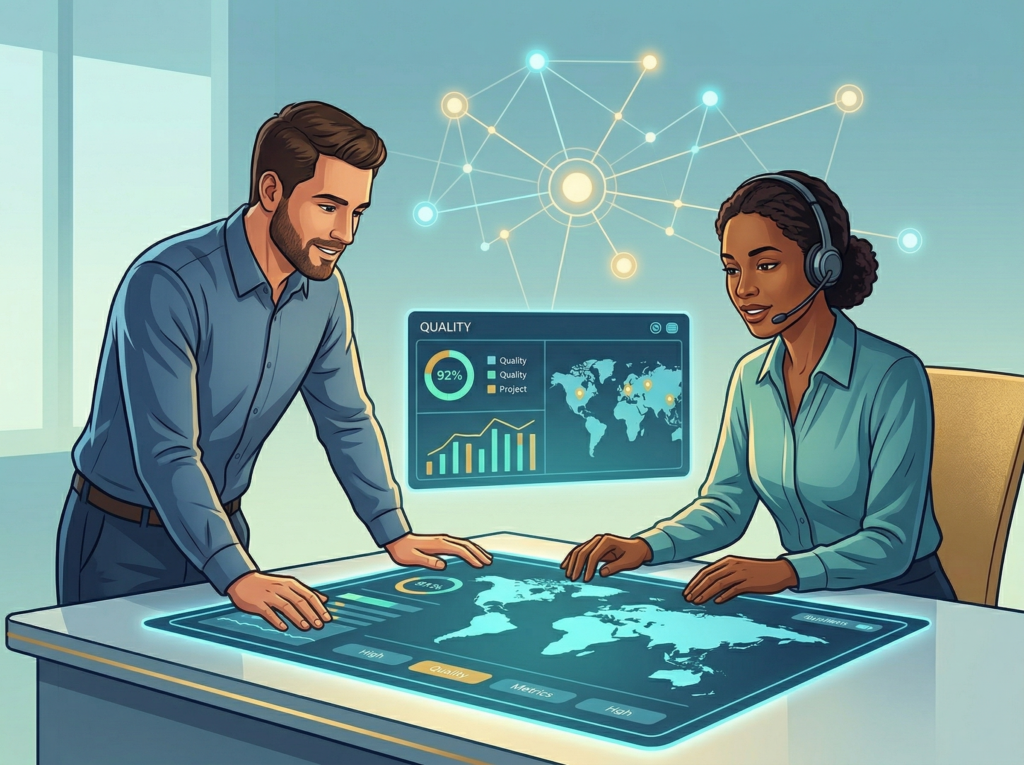
We don’t see Enuncia Global as just a translation provider.
We see it as a system that solves a larger problem—how information moves across languages without losing meaning.
That requires more than translators.
It requires:
- Process design
- Quality frameworks
- Cultural understanding
- Continuous learning
And over time, it requires building something that can scale without losing its core strength—accuracy and trust.
A Vision Rooted in Responsibility
At the heart of everything we at Enuncia Global want to build is a simple idea:
What we do has consequences.
A translated document can influence decisions.
It can support someone’s application.
It can represent someone’s identity.
That’s why our vision is not driven only by growth.
It is driven by responsibility.
Looking Forward
We at Enuncia Global, are still building. Still improving. Still learning.
But the direction is clear.
To make language less of a barrier.
To support languages that are often overlooked.
To preserve those that are fading.
To uncover those that are not yet fully understood.
And to do all of this while delivering work that is fast, accurate, and dependable.
Because in the end, this is not just about translation.
It’s about making sure nothing important gets lost in language.