
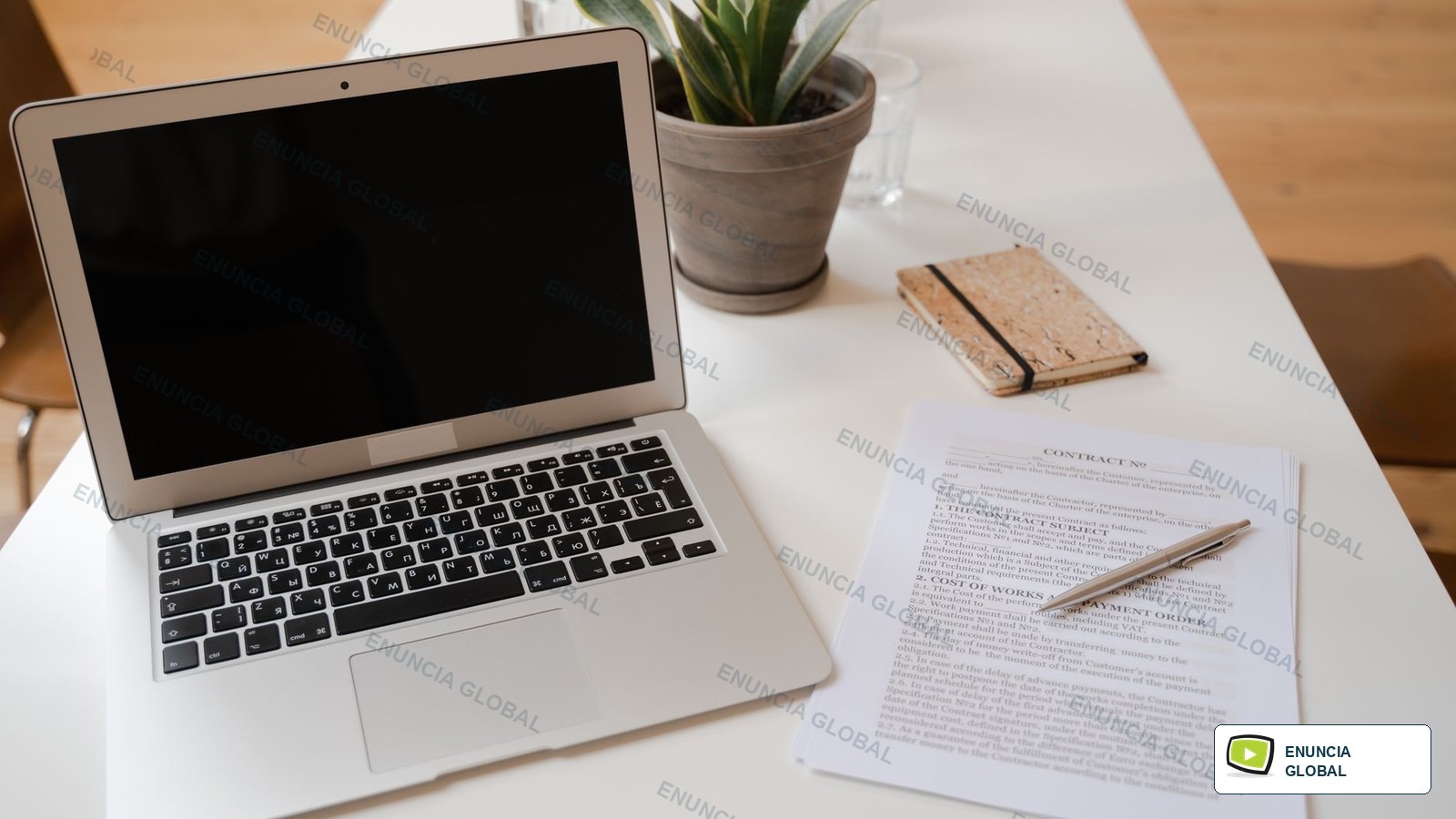
Certified Birth Certificate Translation for Official Use
Certified translation of birth certificate is a language-delivery service. It is for clients who need an accurate, signed or certified translation of a birth record for visa, immigration, embassy, school, university, legal, family or overseas civil use.
This page is separate from apostille and attestation because translation does not authenticate the source document. It makes the birth certificate readable and traceable for the receiving office.
What A Certified Birth Translation Must Preserve
A birth certificate translation should preserve the child’s name, parents’ names, date and place of birth, registration number, issuing authority, seal text, signature area, certificate date and any remarks. The translated version should make the source easy to compare, not turn it into a loose summary.
When the source is bilingual, handwritten, old, partially damaged or issued in a regional format, those details need attention before certification. The translator should not invent missing words or smooth over an unclear stamp.
Passport spelling is checked wherever possible because birth certificate names are often used with immigration and family files. Consistency can matter more than choosing a fresh spelling that seems linguistically natural.
Where Certified Translation Is Used
Visa and immigration files often need the translated birth certificate to sit beside passports, marriage certificates, school records, sponsorship papers and proof of relationship. Small spelling differences across this packet can create avoidable questions.
Schools, universities and civil offices may need a certified translation for admission, foreign registration, family records or citizenship paperwork. For that setting, the translated copy should be formal, dated and easy for the administrative reader to verify.
Legal and court-facing files may require a more conservative format. If notarisation, apostille or attestation is also requested, the document route should be checked before the certified copy is finalised.
Translation Is Not Apostille Or Attestation
Certified translation explains the content of the birth certificate in another language. Apostille, MEA attestation and embassy attestation authenticate the document route. A receiver may ask for both, but one does not replace the other.
For a Hague apostille country, review birth certificate apostille in India. For an attestation route, review MEA attestation for birth certificate or birth certificate embassy attestation.
Already-apostilled or attested certificates should be sent as the final stamped version for translation review. Stamp pages and endorsements may need to be mentioned in the translated file.
Formatting And Certification Notes
The final translation can be formatted as a complete translated copy, a bilingual comparison, a certified PDF or a printed signed copy depending on the receiver. The quote stage should confirm this before work starts.
Some birth certificates contain municipal labels, ward numbers, registration entries, old spellings, regional language notes and unclear stamp impressions. Enuncia Global asks follow-up questions where the source is not clean enough for confident certification.
A sober certification note should identify the translated birth certificate, avoid overclaiming acceptance and keep the document trail clear for a human reviewer.
Field-Level Translation Examples
A birth certificate can contain several dates: date of birth, registration date, issue date and correction date. These should not be collapsed into one generic date line. The translation should keep the function of each date visible so the receiver can compare it with the source.
Place names can also need judgment. A certificate may mention village, district, municipal ward, hospital, taluk, state or old administrative labels. The translated copy should preserve the official source wording while making the structure understandable to the foreign reader.
Parent names deserve special care because they often appear again on passports, school records, sponsorship papers and family visa documents. Initials, expanded names and spelling variations should be queried before certification.
Delivery Format And Receiver Expectations
A university may be satisfied with a certified PDF, while an embassy or court may expect a printed signed copy. A consultant may ask for a scan first and then request courier delivery later. The translation quote should therefore capture the expected delivery format before work starts.
For multilingual files, the birth certificate translation should align with marriage certificate, passport, visa form and academic records. This is where a small name table can reduce confusion.
When the source will later be apostilled or attested, the client should mention that during intake. The certification note and layout can then leave room for the final document route instead of treating the translation as an isolated file.
Reader Questions Before Certified Translation
A school admissions reader may only need a clean certified PDF. A court or embassy reader may expect a printed signed copy with formal wording. A visa consultant may need a scan first and courier delivery later. Enuncia asks this early so the output format matches the receiving workflow.
A foreign civil office may compare relationship terms, parent names, place names and dates against other family records. In those cases the translation should keep the source structure visible and avoid casual wording, even when the certificate itself looks short.
Regional format matters too. Some certificates use local authority titles, ward labels, taluk names, hospital notes or older municipal terminology. The rendered copy should make those details understandable without pretending they are modern standard fields.
Language Register And Source Notes
The translator chooses a formal tone because a birth certificate is normally read by an administrative office, not a casual reader. Script direction, regional terminology, registrar labels, family relationship words and reader expectation all influence how the final copy should look.
Source notes should be restrained. If a stamp is unreadable, if handwriting is uncertain, or if an office label is partly hidden, the translated file should flag that uncertainty rather than pretending the source is cleaner than it is.
For clients sending the file to more than one authority, Enuncia can keep a consistent name table and spelling note. That helps the same translation support visa, school, university and civil-record packets without creating a new identity trail.
Certified birth certificate translation checks
| Detail | Checked against | Risk avoided |
|---|---|---|
| Child name | Birth certificate and passport spelling | Rejected file because identity spelling differs. |
| Parent names | Certificate, passport and family records | Mismatch in family or dependent visa packet. |
| Dates | Birth date, issue date and registration date | Wrong date interpretation or inconsistent format. |
| Stamps and seals | Visible marks, reverse side and endorsements | Official details silently omitted from translation. |
| Delivery format | Receiver instruction and purpose | Certified copy prepared in the wrong format. |
What To Share For Certified Translation
- Full scan of the birth certificate, including reverse side.
- Target language and receiving country.
- Passport spelling for child and parents.
- Receiver instruction mentioning certified translation, if available.
- Any apostille, MEA, embassy or notarisation status already completed.
- Required delivery: PDF, signed copy, printed copy or courier.
FAQs
Can Enuncia translate a birth certificate for embassy use?
Yes. The team can prepare a certified translation, but embassy acceptance may also depend on apostille or attestation requirements.
Should I send passport copies?
Passport spelling helps keep names consistent. It is especially useful for visa, immigration and family files.
Can handwritten birth certificates be translated?
They can be reviewed, but unclear handwriting, stamps or damage may require confirmation before certification.
Send The Birth Certificate For Route Review
Share the certificate, country of use, receiving authority, name spelling, translation need and deadline. Enuncia Global will review whether certified translation, apostille, MEA attestation, embassy attestation or a combined route is relevant.