
Captioning Services for Training, Interviews and Online Video
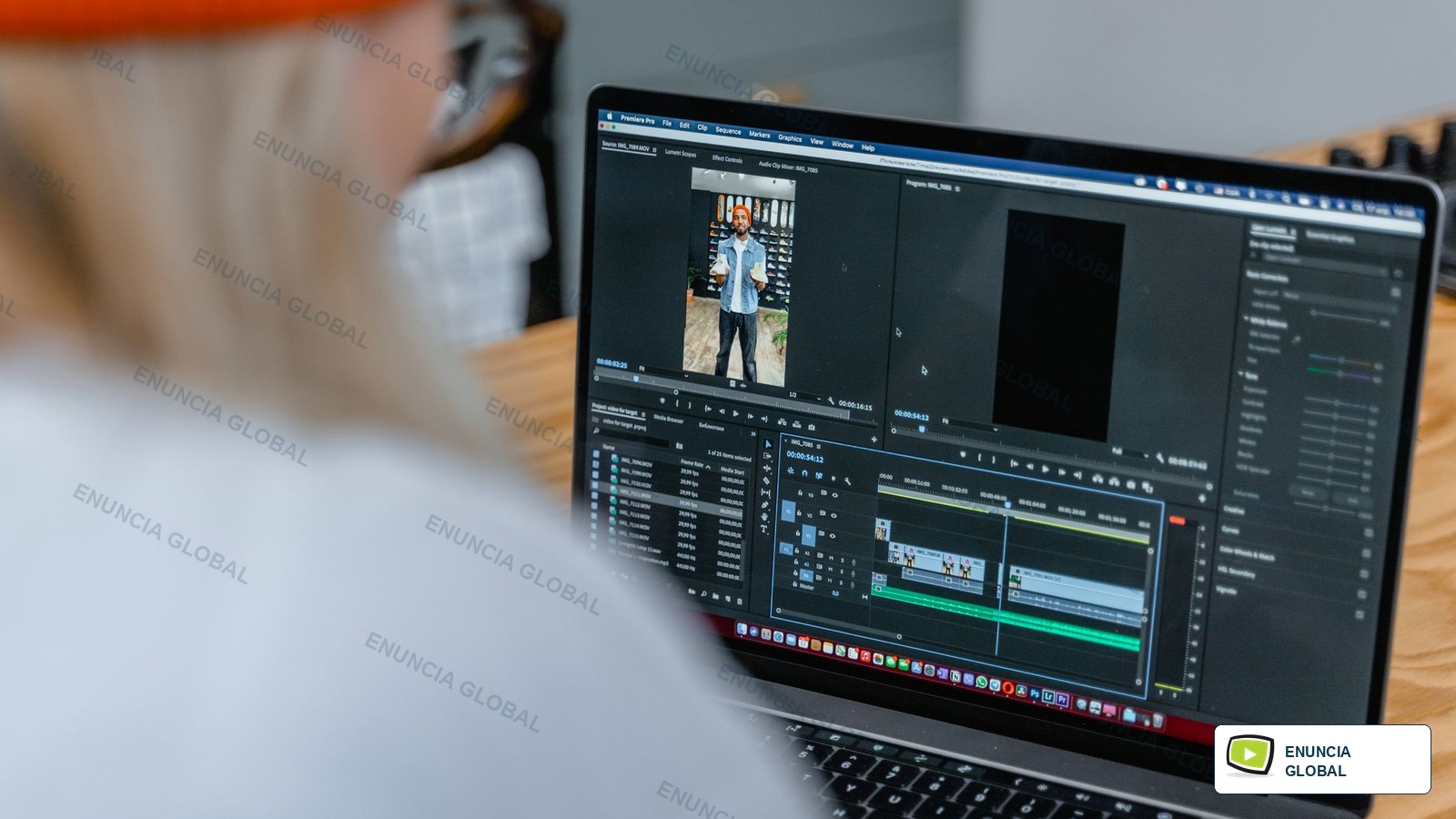
Captioning services help viewers follow a video when sound is off, unclear or unavailable. Enuncia Global prepares caption text with attention to timing, line breaks, reading speed, speaker changes and the platform where the video will appear.
A caption file should not read like a raw transcript pasted onto the screen. It needs editing for viewer comfort while preserving names, technical phrases, brand wording and important context.
Who This Service Is For
Captioning Services is written for video teams that need spoken content turned into readable captions for platforms, training libraries, social clips or internal review.
Captioning focuses on readable timed text for viewers. It may overlap with subtitles and SDH, but the project should define whether non-speech sounds, speaker names and accessibility cues are needed.
What Makes This Page Different
The page is built around captioning, not a copied list of broad language-service promises.
Useful page depth comes from concrete examples, route checks, quality risks, deliverables, intake details and links to related Enuncia services.
Use Case Route Table
| Use case | Main review point | Risk to avoid |
|---|---|---|
| training videos | dialogue accuracy | caption lines stay too long |
| interview clips | line breaks | spoken words are copied without screen editing |
| social media reels | reading speed | speaker changes confuse the viewer |
| corporate explainers | caption duration | captions hide visual labels |
| event highlights | speaker turns | the file is exported in the wrong format |
| product demos | on-screen text | brand terms are typed differently across videos |
| course lessons | sound cue need | caption lines stay too long |
| internal communication videos | platform format | spoken words are copied without screen editing |
Practical Client Scenarios
- training videos usually needs dialogue accuracy, caption duration and a clear note about caption file.
- For interview clips, Enuncia asks about source language before deciding whether slide title needs special handling.
- A brief involving social media reels can change when speaker changes confuse the viewer, so the team checks the final reader early.
- When corporate explainers is urgent, the safer route is to confirm burn-in placement before polishing the final format.
- Clients sending event highlights should mention social crop and whether the output will be reused later.
- A reviewer looking at product demos may compare shot change with revision note.
- The delivery note for course lessons should name platform-ready export instead of saying only that the file is complete.
- Before internal communication videos is treated as ready, Enuncia checks whether reading speed will affect the next user.
What Enuncia Checks Before Quoting
- Check dialogue accuracy against brand spelling before the file is marked ready.
- Review line breaks when captions hide visual labels, because the final user may notice it first.
- Confirm reading speed if platform is missing or unclear.
- Record caption duration in the handoff note so platform-ready export is not guessed later.
- Check speaker turns against social crop before the file is marked ready.
- Review on-screen text when spoken words are copied without screen editing, because the final user may notice it first.
- Confirm sound cue need if deadline is missing or unclear.
- Record platform format in the handoff note so review comments is not guessed later.
- Check burn-in placement against opening line before the file is marked ready.
- Review file encoding when brand terms are typed differently across videos, because the final user may notice it first.
- Confirm review notes if caption style is missing or unclear.
- Record final sync in the handoff note so burned-in caption video is not guessed later.
Quality Risks To Avoid
- Risk 1: caption lines stay too long; prevent it by capturing source language and checking sound cue need before delivery.
- Risk 2: spoken words are copied without screen editing; prevent it by capturing platform and checking platform format before delivery.
- Risk 3: speaker changes confuse the viewer; prevent it by capturing caption style and checking burn-in placement before delivery.
- Risk 4: captions hide visual labels; prevent it by capturing burn-in preference and checking file encoding before delivery.
- Risk 5: the file is exported in the wrong format; prevent it by capturing speaker names and checking review notes before delivery.
- Risk 6: brand terms are typed differently across videos; prevent it by capturing deadline and checking final sync before delivery.
Workflow
- Share video file or link, source language, platform and the final use of the file.
- Enuncia reviews dialogue accuracy, line breaks, reading speed, caption duration before confirming the route.
- The team prepares caption file, burned-in caption video, review comments according to the approved brief.
- A reviewer checks opening line, speaker turn, product label, slide title so the output is not just a generic service file.
- Any unclear point is returned for confirmation before final handover.
- The finished file is delivered with the agreed format, naming and next-action note.
Project Notes That Change The Work
Captioning decisions should be made before export. A YouTube upload, a learning-management module, a social reel and an internal training archive can need different line lengths, speaker detail and file format.
When captions are part of a wider accessibility plan, Enuncia checks whether the project needs ordinary captions, SDH captions, translated subtitles or a separate transcript for people who want to read the full recording.
Review Points That Make This Page Useful
- Review point 1: opening line is reviewed in relation to caption file and the stated captioning purpose.
- Review point 2: speaker turn is reviewed in relation to burned-in caption video and the stated captioning purpose.
- Review point 3: product label is reviewed in relation to review comments and the stated captioning purpose.
- Review point 4: slide title is reviewed in relation to platform-ready export and the stated captioning purpose.
- Review point 5: brand spelling is reviewed in relation to caption timing notes and the stated captioning purpose.
- Review point 6: caption cue is reviewed in relation to caption file and the stated captioning purpose.
- Review point 7: shot change is reviewed in relation to burned-in caption video and the stated captioning purpose.
- Review point 8: background sound is reviewed in relation to review comments and the stated captioning purpose.
- Review point 9: social crop is reviewed in relation to platform-ready export and the stated captioning purpose.
- Review point 10: training step is reviewed in relation to caption timing notes and the stated captioning purpose.
- Review point 11: upload preview is reviewed in relation to caption file and the stated captioning purpose.
- Review point 12: revision note is reviewed in relation to burned-in caption video and the stated captioning purpose.
What To Share
- video file or link
- source language
- platform
- caption style
- burn-in preference
- speaker names
- deadline
Expected Deliverables
- caption file
- burned-in caption video
- review comments
- platform-ready export
- caption timing notes
Helpful Official Reference
External references are used sparingly on Enuncia Global pages when they help a reader verify standards, accessibility, search or document-route context.
FAQs
Can Enuncia create captions from video?
Yes. The team can work from the video itself or from a transcript plus video for timing.
Can captions be burned into the video?
Yes, if placement, font style and final video format are confirmed.
Are captions useful for social media?
Yes. Captions help viewers follow short videos when they watch without sound.
Send Files For Review
Share the source file, target language or platform, final use, deadline and any receiver instruction. Enuncia Global will confirm the practical captioning route before work starts.