
Birth Certificate in Delhi
Registration, correction, name addition, apostille, attestation and certified translation assistance for Indian and overseas use.
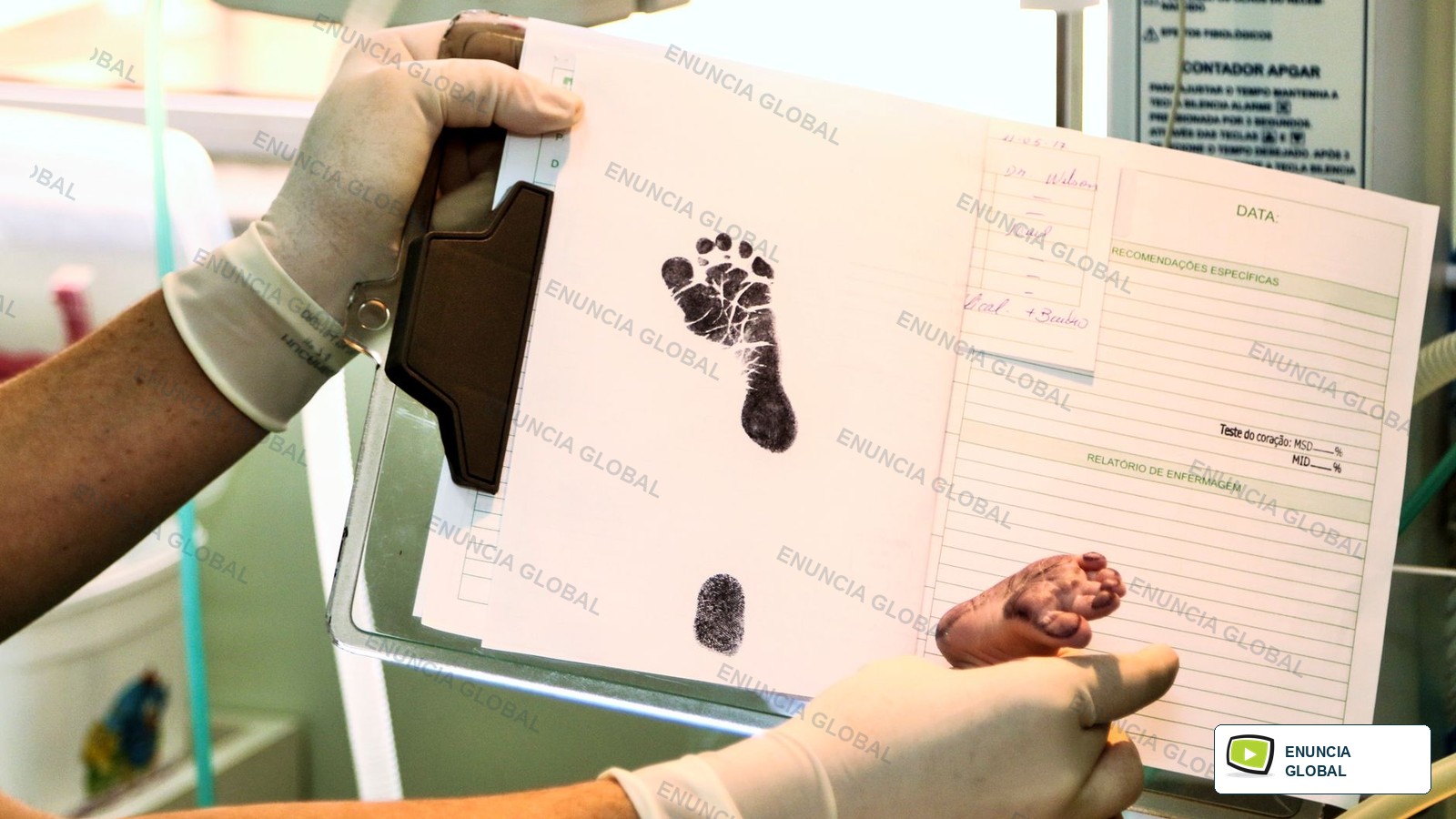
Most people do not think about a birth certificate until someone refuses to move their file without it.
A school asks for it. A passport application gets stuck. A visa officer wants proof of parentage. An embassy will not accept the old copy. Or an adult, years later, discovers that the birth was never properly registered in the first place.
That is when this “basic document” suddenly becomes urgent.
A birth certificate is more than a record of birth. It connects a person to their legal identity: name, date of birth, place of birth, parents’ names, and the civil record maintained by the government. For a newborn, it is the first official identity document. For a child, it quietly supports everything from school admission to passport work. For adults, it often comes back into focus during immigration, overseas education, citizenship paperwork, inheritance matters, or correction of older records.
The problems are usually small on paper but serious in practice. A missing child name. One spelling difference in the mother’s name. A father’s name written with initials in one document and full form in another. A certificate issued years ago in an old municipal format. A record that cannot be found online.
Government departments may call it a correction issue. Embassies may call it a document objection. Families simply call it stress.
Enuncia Global helps individuals, parents, families, NRIs, students, visa applicants, and immigration applicants prepare birth-certificate-related documentation properly. Depending on the case, we can assist with document-readiness checks, birth-record guidance, delayed birth-registration support, name-addition guidance, correction-document preparation, certified translation, notarisation coordination, apostille/attestation assistance, and foreign-use document preparation through our professional network.
ISO, Awards and Document Confidence
Birth certificate work can involve identity, parentage, passport, visa, embassy and overseas civil-use requirements. Enuncia Global supports the documentation layer with quality-led process discipline and visible proof signals.
- ISO-backed documented quality controls
- 5-star public review proof
- Company of the Year 2021 recognition
- Best Translation Service Provider for Pharma Related Industries 2025
- Certified translation, apostille, attestation and documentation support in one coordinated review
Full Birth Certificate Guide
The complete article supplied for this page is preserved below and arranged for easier reading inside the landing page.
Where a Birth Certificate Is Commonly Required
The birth certificate comes up at different stages of life, often when there is already a deadline.
For children, the first demand usually comes from school admission, passport application, Aadhaar-related records, or proof of age. Parents often assume the hospital record is enough until an office specifically asks for the municipal birth certificate.
Later, the same certificate may be used to establish parentage, update dependent records, support insurance or pension claims, or complete adoption-related documentation.
Adults usually need it for a different reason: consistency. If the date of birth, parents’ names, surname, or place of birth does not match across Aadhaar, passport, PAN, school certificates, or older records, the birth certificate may become the base document used to support a correction.
International use is where the pressure increases. Embassies, immigration departments, foreign universities, consulates, and overseas civil authorities may ask for a birth certificate to confirm age, parentage, family relationship, place of birth, or citizenship-related details.
And in many foreign-use cases, the certificate alone is not enough. The authority may also ask for certified translation, notarisation, apostille, MEA attestation, embassy attestation, or a freshly issued digital copy.
Birth Registration vs Birth Certificate: Understand the Difference
A lot of confusion starts with two words: registration and certificate.
Birth registration is the government’s official recording of the birth event. The certificate is the document issued from that record.
So if the birth was already registered, the task may be fairly limited. You may need a fresh copy, a download, a name addition, a correction, or a version suitable for foreign use.
When the birth was never registered, the matter is different. That can require delayed birth registration or a Birth Registration Order, depending on the facts.
For example, District New Delhi’s guidance on Birth Registration Order covers cases where the person is an Indian citizen or NRI, was born within the territorial jurisdiction of NCT of Delhi, does not already have a birth certificate issued by any government agency in India, and is applying after at least one year from the date of birth.
This is why the first question should not be “How do I get a birth certificate?” It should be: “What exactly is wrong with the current record?”
Maybe there is no record. Maybe there is a record, but the name was never added. Maybe the certificate exists, but the spelling is wrong. Maybe nothing is wrong with the certificate at all; it only needs translation, apostille, or embassy attestation.
The route depends on the problem.
Who Issues Birth Certificates in Delhi?
In Delhi, the issuing authority depends mainly on where the birth took place.
Where the birth happened in an area under the Municipal Corporation of Delhi, the MCD birth and death registration system is usually relevant. If it happened in an area under the New Delhi Municipal Council, NDMC’s birth certificate system may apply. For delayed birth-registration matters, especially where no certificate was ever issued, the District/SDM route may become important.
This is where people often make their first mistake. They search for “birth certificate Delhi,” open whichever portal appears first, and apply without checking jurisdiction. If the birth event belongs to another municipal area or zone, the request may simply not move forward.
The correct route depends on practical details:
- Where was the child born?
- Was it a hospital birth or home birth?
- Was the birth registered at that time?
- Does an old certificate already exist?
- Is the applicant trying to download, correct, add a name, or register a delayed birth?
- Will the certificate be used in India or abroad?
For a straightforward case, this may be simple. For older records, home births, missing records, NRI applicants, or foreign-use files, it is better to identify the authority carefully before starting.
Institutional Birth vs Home Birth
A hospital birth and a home birth are not treated in exactly the same way.
For a birth that took place in a hospital, nursing home, or recognised medical institution, the institution generally has a role in reporting the event. In many cases, the hospital record becomes the starting point for registration or later correction.
In cases where the birth took place at home, the family may need to support the date and place of birth through other documents. This can include parent address proof, affidavits, medical or vaccination records, school records, or other supporting material depending on the case.
Home-birth cases need more care because there may not be a hospital-generated record. Old home-birth cases can be even more difficult because the family may have moved, parents’ documents may have changed, and the person may already have multiple identity records with slight variations.
That does not mean the case cannot be handled. It means the file has to be prepared properly.
Normal Birth Registration Timeline and Late Registration
Birth registration should ideally be done soon after the birth.
When it is done within the prescribed time, the process is usually simpler. The longer the delay, the more formal the process can become. After a certain point, a delayed-registration matter may require additional documents, verification, affidavits, or an SDM order.
That is why parents should not wait. Even if the child’s name has not been finalised immediately, the birth event should be recorded as early as possible, and the name can be added later through the applicable process.
For adults who never had a birth certificate, the situation is different. The question is not just “Can I get a certificate?” A receiving authority may first need to be satisfied that the birth was not already registered elsewhere and that the date and place of birth are supported by reliable documents.
In delayed cases, the strength of the file matters. School records, hospital records, vaccination documents, parent IDs, address proof, affidavits, and other supporting documents may all become relevant.
Documents Required for Birth Registration Order in Delhi
For delayed birth-registration or Birth Registration Order matters, the document requirement is usually more detailed than a normal certificate download.
The exact checklist depends on the applicant’s age, place of birth, whether the applicant is a minor or adult, whether the birth happened at home or in a hospital, and whether any earlier record exists.
Commonly relevant documents may include identity proof, address proof, date-of-birth proof, place-of-birth proof, photographs, affidavits, parent documents, and supporting records.
Parents’ Identity Proof
If parents are applying on behalf of a minor, their identity proof may be required. This may include documents such as Aadhaar Card, PAN Card, Voter ID Card, Passport, Driving Licence, Ration Card with photograph, or other government-recognised identity documents.
The names on these documents should be checked carefully. A mismatch in the spelling of the father’s or mother’s name can create questions later, especially if the birth certificate is intended for passport, visa, immigration, or embassy use.
Beneficiary Identity Proof
The beneficiary’s identity proof may also be required.
For a minor, this could include a school ID card, school letter, or other available child-related document, depending on the case. For an adult, existing identity documents such as Aadhaar, passport, PAN, voter ID, driving licence, or school records may become important.
That is often where old inconsistencies often appear. One document may have initials. Another may show the expanded name. One may include a surname. Another may not. Before filing, these differences should be reviewed.
Present Address Proof
Present address proof helps establish the applicant’s current address. Examples include Aadhaar Card, passport, bank passbook, voter ID, ration card, electricity bill, gas bill, driving licence, registered rent agreement, water bill, or another recognised document.
For minors, the parent’s address proof may be used where applicable.
Permanent Address Proof
Permanent address proof may also be required in some cases. This becomes relevant especially when the applicant currently lives outside Delhi, is an NRI, or has moved from the place where the birth occurred.
Date of Birth Proof
Date-of-birth proof is one of the most important parts of the file.
In some files, this may include hospital records, nursing home report, vaccination card, school certificate, passport, Aadhaar with verified date of birth, driving licence, SSC certificate, doctor’s report, or other accepted records.
In delayed birth-registration cases, the authority may look for consistency across documents. If the school certificate says one date and Aadhaar says another, the case becomes more complicated.
Place of Birth Proof
Place of birth is equally important.
When that birth took place in a hospital, the hospital or nursing home record may support the place of birth. If that birth took place at home, parent address proof or other supporting documents may be needed.
For foreign-use cases, the place of birth should be reviewed carefully because passports, visa forms, immigration records, and birth certificates should ideally speak the same language.
Affidavit
Delayed registration and correction cases may require affidavits. The format, stamp paper value, notarisation, and content should match the applicable authority’s requirement.
An affidavit should never be treated as a casual formality. It is a sworn statement. The details must be accurate and consistent with the supporting documents.
Photograph
A passport-size photograph of the beneficiary may be required. For online applications, a scanned photograph may need to be uploaded in the specified format.
This sounds minor, but unclear photographs, wrong size, or poor scans can delay online submissions.
Minor Applicant Note
For a minor, the parent or legal guardian generally handles the application. The parent’s address proof may be attached, but the child’s identity and date-of-birth proof should still be prepared wherever available.
For school-going children, school documents can become important, especially in correction or delayed-registration matters.
The practical goal is simple: the file should tell one consistent story about the person’s name, parents, date of birth, and place of birth.
Online Application and Physical Verification
Online portals have made many birth-certificate services easier, but they have not removed verification.
This is another area where applicants get caught off guard. They assume that uploading documents online means the matter is complete. In reality, the authority may still ask for original documents, physical verification, an original affidavit, additional proof, or clarification.
For some applications, documents may be uploaded online. For others, the applicant may have to visit a Citizen Service Centre, municipal office, SDM office, or another designated location. In delayed or correction cases, physical verification is more likely.
The quality of uploaded documents also matters. Blurred scans, cropped certificates, incomplete affidavits, mismatched IDs, or unclear hospital records can slow the process.
Before applying online, check:
- Are the scans clear?
- Are names spelled consistently?
- Is the date of birth the same across records?
- Has the place of birth been properly supported?
- Is the affidavit in the correct format?
- Is the application being filed under the correct authority?
- Is the mobile number active for OTP or future communication?
Online filing is convenient, but the file still has to be clean.
Name Addition in Birth Certificate
Many birth certificates are issued before the child’s name is finalised. The certificate may mention the birth details but leave the child’s name blank or show the child as “Baby of” the mother.
This is common. But it should not be ignored for too long.
Once the child’s name is finalised, parents should complete the name-addition process through the applicable authority. The spelling should be checked carefully before submission because the same name may later appear in school records, passport, Aadhaar, visa files, and foreign documents.
Small choices matter here.
- Will the child use a surname?
- Will the father’s surname be used?
- Will the mother’s surname be used?
- Will there be a middle name?
- Will initials be used anywhere?
- Is the spelling the same as the passport spelling intended later?
For local use, a small difference may look manageable. For passport and foreign use, it can become a problem.
A child’s name should be added with long-term documentation in mind, not just immediate convenience.
Correction in Birth Certificate
Birth-certificate correction is one of the most common document problems.
Sometimes the issue is minor: one letter missing in the child’s name, a spelling error in the father’s name, or the mother’s name written differently.
Sometimes it is more serious: wrong date of birth, wrong place of birth, incorrect gender, incomplete parent details, adoption-related changes, or a total name change.
The correction route depends on the nature of the error.
A small spelling correction may require one type of support. A parent-name correction may need stronger documents. A date-of-birth correction may be scrutinised more carefully. An adoption-related change may require legal documents or a court order.
For that reason, correction should not be approached casually.
Before filing for correction, compare the birth certificate with all major documents:
- Passport.
- Aadhaar.
- PAN.
- School records.
- Hospital records.
- Vaccination records.
Parents’ IDs.
- Marriage certificate of parents, where relevant.
- Visa or immigration documents, if already filed.
When the certificate is needed for foreign use, correction should ideally be completed before apostille, attestation, or certified translation. A translation cannot fix an incorrect source document. It can only translate what is written.
Registration After One Year
Delayed birth registration is a more serious matter than getting a duplicate copy.
Where that birth was never registered and more than one year has passed, the applicant may need a Birth Registration Order or SDM-related process, depending on the jurisdiction and facts.
The authority will usually want to know why the birth was not registered earlier and whether any birth certificate was issued by any government agency. It may also examine the date of birth, place of birth, parent details, and supporting documents.
For adults, delayed birth-registration cases can become document-heavy. The applicant may have school records, Aadhaar, passport, PAN, or other documents, but no civil birth certificate. The challenge is to create a consistent file that supports the birth details without creating contradictions.
In minor applications, the parent or guardian usually manages the process, but the child’s school record, vaccination card, hospital record, and parent documents may become relevant.
Delayed does not automatically mean impossible. It simply means the application needs better preparation.
Fresh Certificate, Duplicate Certificate, Reissue and Download
Not every birth-certificate case requires a new registration.
Sometimes the record already exists and the applicant only needs a fresh copy, duplicate copy, reissued certificate, digital download, or updated version.
That pattern is common when:
The original certificate is lost.
The old copy is damaged.
That certificate is required in a newer format.
The old municipal body format is not being accepted.
The certificate has to be uploaded for passport or visa.
The issuing authority asks for a digitally verifiable copy.
The issued certificate is available online but the applicant cannot locate it.
In such cases, the first step is record search. Details such as registration number, date of birth, parents’ names, gender, and place of birth may help locate the certificate.
If the record cannot be found, the next step is not always delayed registration. Sometimes the search details are incomplete, the wrong authority is being checked, or the record exists under a slightly different spelling.
A careful first review is why a careful search matters before assuming the certificate was never registered.
Passport Use of Birth Certificates
Birth certificate issues often come up during passport work, especially when the applicant is a child.
For a minor passport, the certificate may be used to confirm the child’s date of birth, place of birth, and parentage. When the child’s name has not been added, or one parent’s name is written differently from the other documents, the passport file can get stuck over what looks like a small error.
For adults, the problem is usually consistency. The passport may show one version of the name, while the birth certificate, school record, Aadhaar, PAN, or parent documents show another. A missing surname, initials instead of full name, or a different spelling of the mother’s name may not seem serious at home, but official files are checked line by line.
Before using a birth certificate for passport work, it is worth checking a few things carefully. Is the full name mentioned? Are both parents’ names written correctly? Does the date of birth match every other document? Does the place of birth read clearly? Is the certificate readable and issued by the correct authority? If a fresh or digitally verifiable copy is needed, it is better to arrange that before the passport appointment.
The safest approach is to correct obvious issues before filing the passport application. Once an objection is raised, the process usually becomes slower and more stressful.
Visa, Immigration and Overseas Use of Birth Certificates
Foreign authorities are usually stricter about civil documents than many domestic offices.
For Indian use, one department may accept a school certificate, another may accept Aadhaar, and another may ask for a self-declaration. But in visa, immigration, citizenship, foreign university, or embassy matters, the authority may specifically ask for a birth certificate issued by the competent civil authority.
This is common in dependent visa files, family reunion applications, permanent residency matters, citizenship by descent, overseas school admission, child visa cases, sponsorship applications, and adoption-linked travel.
In practice, the certificate is usually checked for the basics: date of birth, place of birth, child’s full name, father’s name, mother’s name, registration number, issuing authority, seal, and consistency with the passport.
The problem is that applicants often treat each step separately. First, they get the certificate. Later, they realise the parent name needs correction. Then they get a translation. Then the embassy asks for apostille. Then someone notices that the spelling still does not match the passport.
A better way is to review the certificate for foreign use at the beginning. If there is a correction issue, handle that first. If the document needs certified translation, apostille, MEA attestation, or embassy attestation, plan the sequence properly.
Apostille of Birth Certificate
Apostille is required when an Indian public document has to be used in a country that accepts apostilled documents under the Hague Apostille Convention.
Birth certificates are commonly apostilled for immigration, overseas education, citizenship, family visa, marriage abroad, dependent visa, and foreign civil-registration purposes.
But apostille is not a correction service.
If the certificate has the wrong spelling, apostille will not fix it. If the mother’s name is incorrect, apostille will authenticate the document as it is. If the child’s name has not been added, apostille will not fill that gap.
So before starting apostille, check the certificate as if a foreign officer is going to compare every line with the passport and other records. Name, parent names, date of birth, place of birth, issuing authority, registration number, seal, and legibility all matter.
Also check the destination country’s requirement. Some countries accept apostille. Others may need embassy attestation or consular legalisation. Some authorities may also ask for a certified translation.
The right order matters. Correction first, then translation or apostille/attestation depending on the destination authority’s requirement.
e-Sanad for Attestation/Apostille
For some documents, India’s e-Sanad system can be used for online verification and apostille or attestation.
In simple terms, e-Sanad works best when the document can be verified through the required digital route. If the issuing authority’s records are available and the document is eligible, the process may be smoother.
But this does not mean every birth certificate can automatically be processed online without any issue. Older certificates, manually issued records, unclear copies, certificates from non-integrated authorities, and documents with errors may require additional steps.
Before choosing this route, check whether the certificate is digitally verifiable, whether the issuing authority is supported, whether the receiving country needs apostille or embassy attestation, and whether translation is required.
Do not assume the online route is available just because the document is a birth certificate. The actual document and issuing authority matter.
Embassy Attestation of Birth Certificate
Embassy attestation may be needed when the birth certificate has to be used in a country where apostille is not accepted, or where the receiving authority specifically asks for embassy legalisation.
This is often seen in documentation for certain Gulf, Middle Eastern, African, and other non-Hague countries, although the exact requirement depends on the country and purpose.
The process may involve more than one step: verification by the issuing authority, state or local authentication, MEA attestation, and then embassy or consulate attestation. Some cases may also need translation, notarisation, or additional supporting documents.
The important thing is to confirm the sequence before starting. Where the certificate has an error, get that reviewed first. When the document needs translation, check whether the translation should happen before or after attestation. If the embassy asks for a fresh certificate, do not waste time attesting an older copy.
Enuncia Global can help applicants understand the likely pathway, prepare the document file, arrange certified translation where required, and coordinate apostille or attestation support. Final acceptance always depends on the concerned authority, MEA, embassy, consulate, or foreign department.
Certified Translation of Birth Certificate
Birth certificate translation looks simple, but it needs careful handling.
This is not a normal paragraph translation. It is an official document. Names, dates, registration numbers, seals, stamps, issuing authority details, handwritten notes, and certificate remarks must be handled accurately.
A Hindi birth certificate may need to be translated into English for visa, immigration, foreign university, embassy, or legal use. In other cases, an English certificate may need translation into French, German, Spanish, Italian, Arabic, Portuguese, Russian, Japanese, Korean, or another language depending on the country.
The translation should reflect the source document honestly. If the original says “Mohd.”, the translator should not casually expand it. Where the mother’s name is misspelled in the original, the translation should not silently repair it. Where the child’s name is missing, the translator cannot insert it just because the client says so.
Correction and translation are different things.
If the source certificate has an error, correct the source first wherever possible. Then translate it. After that, proceed with apostille, attestation, notarisation, or embassy submission as required.
Enuncia Global provides certified birth certificate translation for visa, immigration, embassy, academic, legal, family, and foreign civil-use purposes.
Common Problems in Birth Certificates
Most birth certificate problems start small.
A missing letter. The child’s name not added. A mother’s name written differently after marriage. The father’s name written with initials in one document and in full form in another. An old certificate that nobody can verify online. A damaged copy pulled out from an old file after ten years.
The trouble begins when the document is needed urgently.
A passport appointment is booked. A school admission deadline is near. A visa file has to be submitted. An embassy asks for apostille. A foreign university wants a certified translation.
Common issues include missing child name, wrong spelling, missing surname, parent-name mismatch, date-of-birth difference, unclear place of birth, old municipal format, damaged copy, non-verifiable certificate, missing record, wrong jurisdiction, delayed registration, and translation or attestation requirements.
The best time to fix these issues is before submitting the certificate to a passport office, embassy, university, immigration department, or any other authority. After an objection is raised, the file becomes harder to manage.
How Enuncia Global Supports Birth Certificate Cases
Enuncia Global helps clients prepare birth-certificate-related documents in a more organised and purpose-specific way.
We do not issue birth certificates. Enuncia Global does not replace the government authority. Nor do we promise approval. Enuncia Global’s role is to help clients understand the route, prepare the file, identify obvious gaps, arrange translation or attestation support where needed, and coordinate with professionals when the case requires it.
1. Birth Certificate Readiness Consultation
We begin with the purpose.
A certificate needed for school admission is usually a different matter from a certificate needed for immigration. A child’s name-addition case is different from an adult delayed-registration case. A passport correction file is different from a birth certificate being prepared for apostille.
Once the purpose is clear, the route becomes easier to understand.
2. Jurisdiction Guidance
Delhi has different municipal and administrative jurisdictions. Depending on where the birth took place and whether the record already exists, the matter may involve MCD, NDMC, Delhi Cantonment, a district office, SDM-related process, CRS-linked route, hospital record, or another authority.
We help clients avoid the first common mistake: applying in the wrong place.
3. Document Checklist Preparation
A generic checklist is rarely enough.
A newborn’s case may require only basic documents. An adult delayed-registration matter may need school records, parent IDs, affidavits, address proof, and other supporting material. A foreign-use case may require certified translation, apostille, attestation, or embassy-specific preparation.
We prepare the checklist around the actual case, not around assumptions.
4. Support for Delayed Birth Registration
When the birth was never registered, the file needs to be built carefully.
The concerned authority may need to see proof of date of birth, place of birth, parentage, and the absence of an earlier birth certificate. We help organise available records, identify gaps, prepare supporting paperwork, and coordinate professional guidance where required.
5. Name Addition Guidance
Many certificates are issued before the child’s name is finalised.
When parents later add the name, spelling and sequence should be checked carefully. The same name may later appear in school records, passport, Aadhaar, visa files, and overseas documents.
We help parents think beyond the immediate application.
6. Correction Documentation Support
Correction cases can be simple or complicated.
One small spelling error may need basic supporting proof. A parent-name mismatch, date-of-birth issue, adoption-related change, or hospital-record discrepancy may need stronger documentation or legal guidance.
We help identify the type of correction and the supporting documents likely to matter.
7. Certified Translation
Enuncia Global provides certified translations of birth certificates for visa, immigration, embassy, foreign education, legal, family, and official use.
We pay attention to names, dates, registration numbers, stamps, seals, issuing authority details, and format because these details are exactly what receiving authorities check.
8. Notarisation and Affidavit Coordination
Some cases require affidavits. Some translations need notarisation. Some correction or delayed-registration matters involve sworn declarations.
We coordinate these requirements through appropriate professionals where needed.
9. Apostille and Attestation Assistance
For foreign use, the certificate may need apostille, MEA attestation, embassy attestation, or related verification.
Our team helps clients understand the likely sequence and prepare the document file before it is submitted for authentication.
10. Lawyer Network Support
Some matters need legal assistance rather than only documentation support.
The file may include delayed registration disputes, major corrections, adoption-linked changes, parentage issues, court-order requirements, or rejection/objection response.
Where required, Our team can coordinate with lawyers from its professional network.
11. Foreign-Use Document Packaging
Foreign-use files often need more than one document.
This birth record may have to be supported by certified translation, notarisation, apostille, embassy attestation, affidavit, correction proof, or an explanatory cover note depending on the receiving authority.
We help prepare the file according to the purpose instead of treating each document as a separate task.
Limits on Enuncia Global Support
Some boundaries should be clear from the beginning.
Enuncia Global cannot issue a birth certificate. We cannot create or alter a government record. We cannot guarantee approval, correction, delayed registration, apostille, attestation, or embassy acceptance.
We cannot bypass verification, fabricate hospital records, submit false documents, or change a date of birth through translation. We also cannot override MCD, NDMC, CRS, SDM, DM, MEA, embassy, consulate, passport office, school, university, immigration department, or any other receiving authority.
The role remains limited to assistance, preparation, coordination, translation, attestation support, and documentation guidance.
How the Enuncia Global Process Works
The process starts with one question: why do you need the birth certificate?
Passport, school admission, immigration, visa, embassy submission, apostille, correction, name addition, delayed registration, or certified translation—each purpose leads to a different document strategy.
Once we understand the purpose, we review the documents you already have. That review may include an old birth certificate, hospital record, vaccination card, school document, Aadhaar, passport, parent ID, address proof, affidavit, or municipal record.
Then we help identify the likely route. It could be a fresh download, duplicate certificate, name addition, correction, delayed registration, translation, apostille, attestation, embassy submission, or legal consultation.
After that, we prepare a practical checklist and help organise the supporting documents, scans, affidavits, declarations, translations, and professional coordination required for the case.
A certificate that is issued and needs to be used abroad, we can also help with certified translation, notarisation, apostille, MEA attestation, embassy attestation, or foreign-use document packaging.
FAQs
Can Enuncia Global issue a birth certificate?
No. Birth certificates and approvals are issued only by the competent government authority. Our support covers documentation readiness, translation, attestation and coordination.
Can this connect with apostille, MEA attestation or embassy attestation?
Yes. Birth certificate files for overseas use often require more than one step, and the sequence should be checked before submission.
Do I need to send originals first?
Usually a clear scan is enough for an initial review. If an authority requires originals, that should be confirmed before physical handling.
Need help preparing a birth certificate file?
Start with a document-readiness consultation. The team can review the issue, organise the checklist, and help you plan translation, apostille, MEA attestation, embassy attestation or professional support where required.