
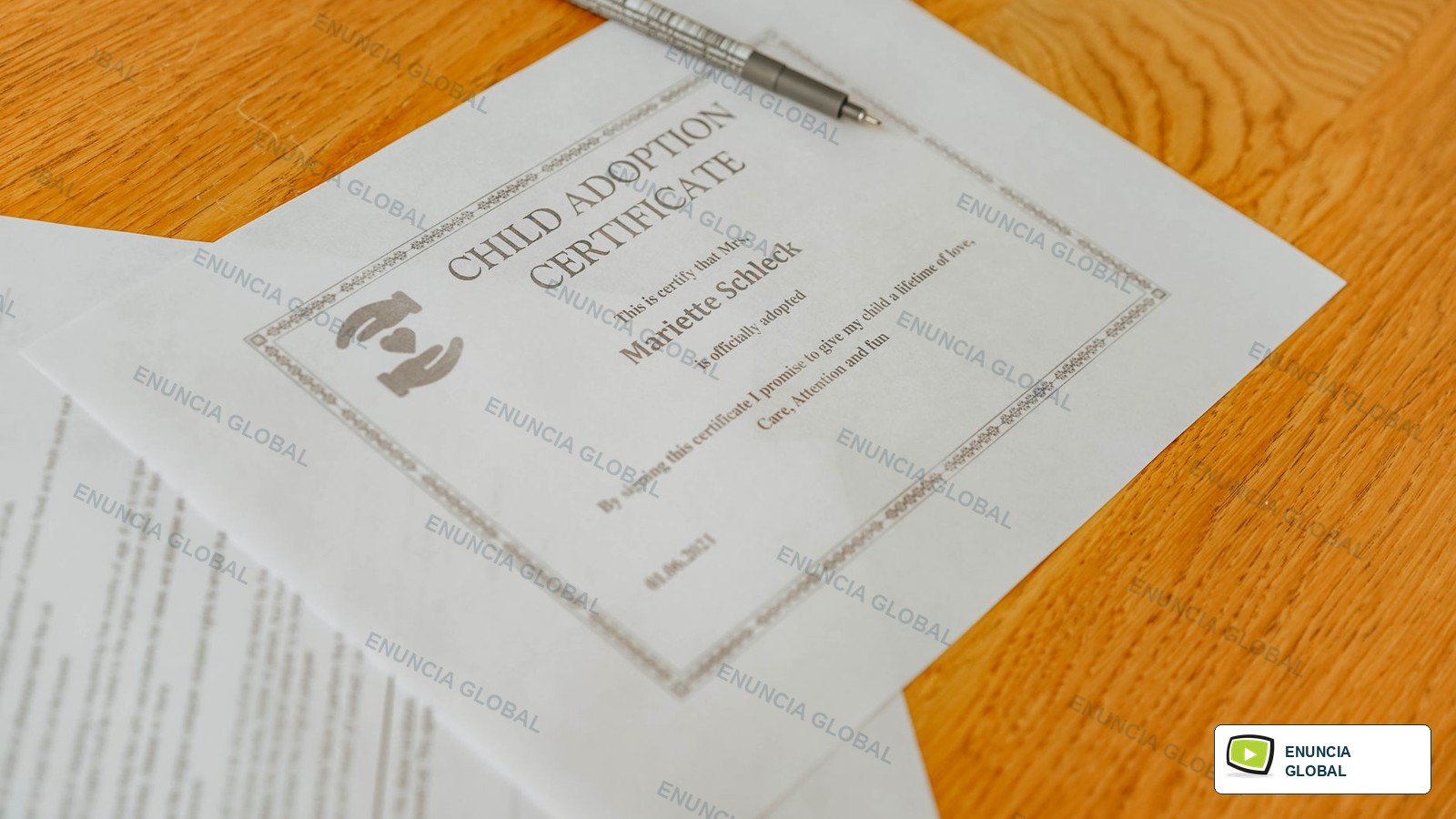
Certified translation services for Arabic documents are needed when a receiver wants more than a readable translation. The final file must be traceable to the source, formatted for checking, and accompanied by certification wording that explains who prepared the translation and what document it relates to.
This page is for official-use Arabic documents, English documents going into Arabic, and bilingual records where the main risk is acceptance by an embassy, court, university, employer, bank, hospital, procurement team or government office.
What Certified Arabic Translation Must Prove
A certified Arabic translation should make the receiver confident that the translation belongs to the source file. Page count, document title, names, dates, numbers, seals, stamps, signatures and annexures should be reflected clearly enough for comparison.
The certification note is not decoration. It should identify the translation, confirm that it has been prepared from the supplied document, and avoid vague language that may not satisfy the receiver. Enuncia Global checks the destination and purpose before deciding the wording and delivery format.
When a document is partly Arabic and partly English, the team does not assume that only one side matters. Bilingual forms, bank papers, company documents and embassy records often need both visible languages preserved so the reviewing office can follow the file.
Documents That Usually Need Certification
Personal files include birth certificates, marriage certificates, academic records, employment letters, salary certificates, experience letters, police clearance certificates, medical records and identity documents. These should be translated in a way that supports official review, not rewritten as summaries.
Legal files include affidavits, powers of attorney, contracts, court papers, declarations and company resolutions. The language should preserve obligations, defined terms, party names, dates, clause numbers and jurisdiction references.
Business files include incorporation records, chamber certificates, tender papers, invoices, financial statements, product registrations and export documents. A certified translation may be requested when the buyer, bank, authority or overseas partner needs a formal copy for recordkeeping.
Formatting Choices That Affect Acceptance
Arabic is a right-to-left language, but many official documents include English names, numbers, addresses, stamps and bilingual labels. A careless layout can make the document harder to verify. The translation should keep the reading order clear while still matching the source structure.
Dates should be handled carefully because source files may use day-month-year, month-day-year, Hijri references, Gregorian references or handwritten date formats. If a date is unclear, it should be queried before certification rather than guessed.
Names should follow the client’s authoritative spelling whenever possible. Passport spelling, trade licence spelling, university record spelling and earlier attested document spelling can all matter when a file is checked by a human reviewer.
Certification Wording And Evidence Trail
A strong certified translation creates an evidence trail. It tells the reader which source document was translated, preserves page order and avoids loose statements that make the certification look generic. If the file includes seals, stamps, QR codes, signatures or handwritten notes, the translated copy should show how those visible items were treated.
Court papers, bank files, university records and embassy documents are reviewed by people who may not know Arabic. They need a translation that lets them compare the original and target page without guessing. This is why table alignment, clause numbering, stamp descriptions and attachment labels are not cosmetic details.
For Arabic names, diacritics and transliteration choices should be handled consistently. Enuncia Global uses the client’s passport, company licence, degree record or earlier accepted spelling as the anchor wherever possible.
When the file is for litigation, immigration, banking or academic review, the certification page should avoid sales language. The receiver needs a calm administrative note, document identifiers, date references and a layout that makes the source comparison straightforward.
How This Differs From Other Arabic Pages
If the source is specifically a birth, marriage, degree or PCC certificate, the Arabic certificate translation page is more focused. If the requirement is general business wording without a certification statement, use Arabic business translation services.
If the receiver asks for apostille, MEA, embassy or MOFA processing, certification alone may not be enough. In that case, review the apostille and attestation page or the MEA attestation page before ordering translation.
Certified Arabic translation review points
| Review point | What Enuncia checks | Common failure avoided |
|---|---|---|
| Identity data | Names, initials, parent names, passport spelling and document numbers | Mismatch between source, translation and supporting ID. |
| Document scope | All pages, reverse sides, annexures, stamps and handwritten notes | Receiver sees an incomplete translation. |
| Certification wording | Purpose, source description, translator declaration and delivery format | Certification note is too vague for the accepting office. |
| Arabic layout | Right-to-left text, bilingual fields, numbers, seals and table order | Readable text but hard-to-verify document structure. |
| Country route | UAE, Saudi, Qatar, Oman, Kuwait, Bahrain or India use | Translation prepared without checking whether authentication is also needed. |
Best Inputs For Certified Arabic Translation
- Clean scan or photo of every page, including reverse side and annexures.
- The receiver’s instruction mentioning certified translation, if available.
- Target country and authority, such as embassy, court, employer, university, bank or hospital.
- Preferred spelling of names from passport, trade licence, degree record or existing file.
- Whether apostille, MEA attestation, embassy attestation or notarisation has already been done.
- Required delivery format: PDF, printed copy, signed copy, courier or email.
Use The Right Supporting Page
Arabic Translation Services in India
Open this route when the requirement matches this document or service category.
Arabic Document Translation Services
Open this route when the requirement matches this document or service category.
Arabic Certificate Translation Services
Open this route when the requirement matches this document or service category.
Arabic Business Translation Services
Open this route when the requirement matches this document or service category.
UAE Visa Documentation Support
Open this route when the requirement matches this document or service category.
UAE and GCC Apostille Attestation
Open this route when the requirement matches this document or service category.
FAQs
Is certified translation the same as notarisation or attestation?
No. Certified translation is a language-delivery format. Notarisation, apostille and attestation are authentication steps. A file may need one or more of these depending on the receiver.
Can Enuncia certify Arabic to English and English to Arabic translations?
Yes. Both directions can be reviewed, subject to document clarity, purpose, deadline and receiving-authority requirements.
Should I send the original certificate or a scan?
A scan is usually enough for review and quotation. If a hard copy is required for final delivery, the team will tell you before processing.
Send The Arabic Or GCC Document For Review
Share the file, country of use, receiving authority, language direction, certification need and deadline. Enuncia Global will review whether translation, certification, apostille, attestation or a combined route is relevant.