
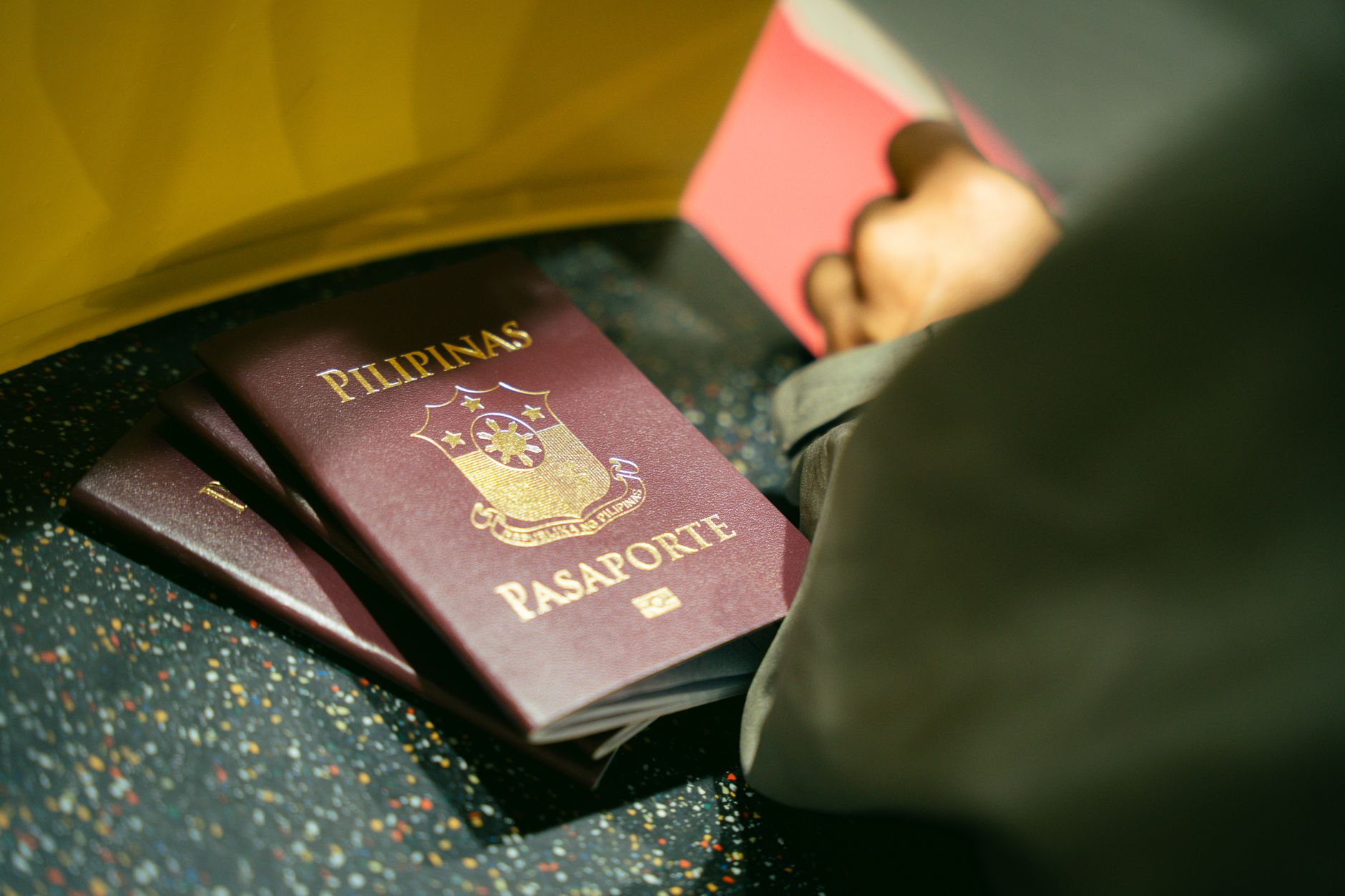
Filipino Translation and Tagalog Requirements: What Clients Should Clarify First is part of Enuncia Global’s July 29 search-opportunity publishing work. This guide is for customers who see Ubersuggest demand around Filipino translation and need to decide whether the job is a document, localization, community, audio or subtitle requirement.
A request for Filipino translation should clarify whether the reader expects Filipino, Tagalog-based wording, English-to-Filipino adaptation or a more local community register. That decision affects documents, websites, training material, subtitles, captions and public communication.
Filipino And Tagalog Are Connected, But The Brief Still Matters
Filipino is the national language of the Philippines and is strongly based on Tagalog. In practical projects, a buyer may still use the terms differently. A government-style note, school record, HR message, marketing page, family certificate or community announcement can call for a different tone. The safest quote begins by naming the country, audience and use.
Official Files Need Identity Consistency
Birth certificates, marriage certificates, passports, degree records, employment papers, immigration files, police records, medical notes and affidavits must preserve names, dates, signatures, seals, stamps and page order. If the translation is for an embassy, university, court, employer or licensing body, the receiver instruction should guide the final format.
Business And Digital Work Needs Register Control
English-to-Filipino website copy, app strings, product help text, e-learning scripts and customer messages should not sound like a literal document translation. Product names, borrowed English terms, brand tone, button labels and user instructions need a reader-facing review before delivery.
Media Files Need Timing Decisions
For Filipino or Tagalog audio, Enuncia Global checks whether the client needs transcription, translated transcript, subtitles, captions, dubbing script or a short summary. Speaker names, code-switching, background speech and subtitle reading speed should be decided before the file is processed.
What To Send Before Work Starts
Share the full file, target reader, Philippines or overseas context, language direction, deadline, accepted spelling of names and whether certification, notarization, apostille, attestation, formatting or hard-copy delivery is connected.
Filipino Translation Briefing Notes
- Confirm whether the receiver expects Filipino, Tagalog wording, English to Filipino localization or Filipino to English translation.
- Share whether the content is for the Philippines, an overseas authority, a school, HR team, public campaign or app user.
- For certificates and records, include complete scans and accepted spellings from passports or earlier approved files.
- For websites and apps, identify button labels, product terms, forms, warning text and customer-support tone.
- For media, specify transcript, translated transcript, subtitles, captions, dubbing script, timestamps and platform format.
How Enuncia Global Reviews A Filipino Requirement
Enuncia Global separates official document translation from Filipino localization and media work. That means a marriage certificate, a customer FAQ, a training video and a social awareness message are not pushed through the same wording route.
Need A File Reviewed?
Call +91-931-505-6112, email info@enuncia.global, or use Get Free Quote. Share the Filipino or Tagalog context, file type, audience, country of use and delivery format. The team can then confirm whether certification, localization review, transcript timing or subtitle preparation is the right path.
Related Enuncia Resources
- https://enuncia.global/certified-translation-services-in-india/
- https://enuncia.global/localization-services/
- https://enuncia.global/enuncia-global-subtitling-services/
- https://enuncia.global/get-free-quote/
FAQs
Should I request Filipino or Tagalog?
Use the term the final reader expects. If the brief is uncertain, explain the audience and country so the language route can be checked.
Can Filipino business content be localized?
Yes. Product terms, help text, forms, user actions and brand tone can be reviewed for reader-facing use.
Can code-switching be handled in audio?
Yes. Mixed Filipino, Tagalog and English speech should be flagged in the brief so transcript and subtitle decisions are made correctly.
Practical Brief For Filipino Translation and Tagalog Requirements: What Clients Should Clarify First
Filipino Translation and Tagalog Requirements: What Clients Should Clarify First is strongest when the page explains the real file, reader and delivery situation behind the keyword. Enuncia Global handles this as translation support work with attention to Tagalog/Filipino wording, Philippine civil records, embassy files and employment papers, the final authority, and the format a customer actually has to submit.
What To Share Before Work Starts
- Confirm the exact purpose: filipino, tagalog, requirements, receiver, destination and deadline.
- Send a complete source file, including reverse-side notes, seal edges, stamp marks, handwritten parts and file names.
- Flag whether the output is for embassy, court, university, HR, business, media, online upload or internal review.
- Keep supporting page and supporting page traceable so the university desk can compare the final file.
- Mention whether Tagalog/Filipino wording, Philippine civil records, embassy files and employment papers affect spelling, tone, script, subtitles, transcript layout, certification or delivery format.
Concrete File Examples
- birth certificate: check names, date of birth, registration number, seal, reverse-side notes and receiver instruction.
- marriage certificate: check spouse names, date, place, registration number, seal and destination purpose.
- degree or transcript: check institution name, student name, roll number, course table, grades, dates and certification need.
- passport: use passport spelling as the reference for names, passport number and identity details when visible.
- embassy checklist: confirm required language, certification wording, hard-copy need, apostille or attestation sequence and deadline.
- business or legal file: check parties, clauses, annexures, numbers, signatures, terminology and final reader.
Useful Briefing Vocabulary
filipino, tagalog, requirements, wording, philippine, civil, records, embassy, files, employment, papers, source scan, receiver instruction, name spelling, document purpose, deadline, format requirement, supporting page, delivery route, customer, embassy officer, business team, university desk, lawyer.
Ask early. Share full scans. Keep names consistent. Do not crop stamps. Mention the destination country. Tell us if the file goes to an embassy, university, court, employer, hospital, media platform or business reviewer.
Checks That Add Value
Filipino Translation and Tagalog Requirements: What Clients Should Clarify First starts with the final use. The team checks name spelling, document purpose, source quality and the expected lawyer.
Before quoting, Enuncia compares filipino, tagalog, requirements against the customer’s scan, file note, language pair and deadline.
Name handling changes when Tagalog/Filipino wording, Philippine civil records, embassy files and employment papers. A small spelling mismatch can matter more than a polished sentence.
Cropped pages create trouble. Send reverse-side notes, seal edges, tables, margins and file names with the first message.
For Delhi NCR customers, courier, WhatsApp, email and office handoff often sit in the same workflow.
Reader And Delivery Context
A embassy officer may look first at format requirement. Another reviewer may care more about supporting page, layout or certification wording.
Old certificates need slower reading. Faded stamps, handwritten initials and bilingual labels should be marked before delivery.
Media requests need timing discipline. Audio, video, transcript and subtitle work should preserve speaker order and context.
Business files need terminology control. Product names, invoice headings, tender labels and compliance references should stay stable.
Legal packets need alignment. Party names, clause numbers, annexures, affidavits and signatures should remain easy to compare.
Common Reasons Files Get Delayed
University files need consistency. Degree names, mark sheets, transcripts, passport spellings and admission notes should match.
Embassy files need traceability. The translated copy should let the officer locate every date, seal and certificate number.
Hospital or insurance files need caution. Diagnosis, dosage, lab value and doctor stamp details should not be guessed.
If the request includes digital content, send screenshots, layout notes or platform instructions when button wording, field length or audience tone affects meaning.
If the request includes timed media, confirm whether the delivery is a transcript, subtitle file, caption file, voiceover script or translated subtitle package.
If the request includes recordings, share speaker names, topic notes, glossary terms and any unclear audio points before review begins.
How This Page Differs From A Generic Service Page
Apostille routes need sequencing. State, notary, MEA, chamber and embassy steps should not be assumed from another document.
Birth records need exact fields. Parent names, child names, registration numbers and correction notes should be checked together.
Passport spellings guide many choices. The same name should not drift across translation, affidavit, visa and university files.
Deadline pressure changes the route. A same-day request may need a narrower deliverable than a full bilingual formatted packet.
Readable output matters. The file should help the receiving desk complete its decision, not merely showcase wording.
Quality review is practical. One person checks meaning, another may check format, numbers, names or platform readiness.
Related pages help when the request expands. Translation, attestation, notarization, transcription and localization can overlap.
A good brief saves calls. Share purpose, destination, source file, target language, format and any written checklist upfront.
When uncertainty remains, Enuncia flags it. Unclear handwriting, cropped seals and ambiguous abbreviations should stay visible.
The page is useful when it turns a vague search into a file-ready action list for filipino translation and tagalog requirements: what clients should clarify first.
Related Enuncia Pages
- Certified translation services in Delhi NCR
- Certified translation services by Enuncia Global
- Document translation services
- Professional translation services
- Apostille and attestation services
- Language translation services directory
- Get Free Quote
- Filipino translation services in India
Need Tagalog Translation Services in India?
This brief explains Tagalog and Filipino preparation points. For a quote, certified document route, employment file, audio, subtitles, business text or website content, use the main Tagalog translation page.