

Konkani translation is strongly tied to script, region and purpose. A Roman-script Goan note, a Devanagari passage, a Kannada-script document, a property paper, a parish record, a tourism article and a family audio clip cannot be pushed through one standard format. Enuncia Global checks the source variety before deciding the output style.
Konkani assignments need script confirmation early because the same language may arrive through different writing systems and community habits.
Konkani Translation Across Scripts And Regions
Konkani can appear across different communities, scripts and local usage patterns. A file from Goa, coastal Karnataka or another Konkan-linked context may need English, Hindi or regional-language support. Enuncia Global checks the exact source, script and reader before treating the work as a standard translation.
Common Konkani Translation Requirements
Clients may send family records, property papers, affidavits, notices, legal notes, tourism content, local communication, audio clips, interviews, subtitles or cultural material. The purpose decides whether the output should be literal, certified, explanatory, publication-ready or formatted close to the original.
Local Names, Places And Spoken Context
Place names, surnames, local expressions, handwritten entries, relationship terms and older records can be sensitive. For audio and video, the team checks whether the request needs transcript, translation, subtitles, captions or a cleaner readable summary.
Goa And Konkan Details To Notice
Konkani work may come from Goa, Mangaluru, Karwar, Udupi, Ratnagiri, Sindhudurg, diaspora families, parish papers, property files, tourism copy, local court notes, spoken interviews or cultural scripts. The script may be Roman, Devanagari, Kannada or mixed with English, Marathi, Hindi or Portuguese-origin terms. A property record needs a different treatment from a wedding speech, tourism page or oral-history recording. Enuncia Global confirms the script, community usage, intended audience, accepted spellings of surnames and whether the output must preserve local flavor or become formal English for a receiver.
Details To Confirm Before Work Starts
- Konkani script or mixed-language source
- Goa, Konkan, India-side or overseas receiver
- family, legal, property, tourism, media or business purpose
- names and place spellings
- certified translation, transcript, subtitle or courier delivery requirement
Konkani Service Routes
- Goa-linked certificate, parish or family record translation
- property, affidavit or local legal-note translation
- tourism and hospitality copy for coastal audiences
- spoken Konkani transcript and English translation
- subtitle wording for cultural, interview or travel video
- formal English rendering where a receiver needs clear documentation
Konkani Work Process
- Confirm the script and whether the source includes Marathi, Hindi, English or Portuguese-origin wording.
- Check the destination: family, property, legal, tourism, business, media, academic or community use.
- Return the selected format: translated document, explanation, transcript, subtitle file, web copy or hard-copy dispatch route.
Konkani Translation Questions
Which Konkani script can be handled?
The source must be reviewed first because Konkani may be shared in Roman, Devanagari, Kannada or mixed writing.
Can old family or property papers be translated?
Yes, if the text is readable. Names, place references and relationship terms are checked carefully.
Can Konkani videos be subtitled?
Yes. Video work can be reviewed for transcript, translation, subtitles, captions or voice-ready script preparation.
Request A Quote
For Konkani Translation Services in India, call +91-931-505-6112, email info@enuncia.global, or use Get Free Quote.
Related Enuncia Pages
- Translation Services – https://enuncia.global/translation-services/
- Certified Translation Services – https://enuncia.global/certified-translation-services-by-enuncia-global/
- Transcription Services – https://enuncia.global/enuncia-global-transcription-services/
- Subtitling Services – https://enuncia.global/enuncia-global-subtitling-services/
- Get Free Quote – https://enuncia.global/get-free-quote/
- Confirm the exact purpose: konkani, receiver, destination and deadline.
- Send a complete source file, including reverse-side notes, seal edges, stamp marks, handwritten parts and file names.
- Flag whether the output is for embassy, court, university, HR, business, media, online upload or internal review.
- Keep deadline and source scan traceable so the customer can compare the final file.
- Mention whether names, records, receiver instructions and practical language-context notes affect spelling, tone, script, subtitles, transcript layout, certification or delivery format.
Concrete File Examples
- birth certificate: check names, date of birth, registration number, seal, reverse-side notes and receiver instruction.
- marriage certificate: check spouse names, date, place, registration number, seal and destination purpose.
- degree or transcript: check institution name, student name, roll number, course table, grades, dates and certification need.
- passport: use passport spelling as the reference for names, passport number and identity details when visible.
- embassy checklist: confirm required language, certification wording, hard-copy need, apostille or attestation sequence and deadline.
- business or legal file: check parties, clauses, annexures, numbers, signatures, terminology and final reader.
Useful Briefing Vocabulary
konkani, names, records, receiver, instructions, practical, language-context, notes, source scan, receiver instruction, name spelling, document purpose, deadline, format requirement, supporting page, delivery route, customer, embassy officer, business team, university desk, lawyer, HR verifier, birth certificate, marriage certificate.
Ask early. Share full scans. Keep names consistent. Do not crop stamps. Mention the destination country. Tell us if the file goes to an embassy, university, court, employer, hospital, media platform or business reviewer.
Checks That Add Value
Konkani Translation Services in India starts with the final use. The team checks delivery route, receiver instruction, source quality and the expected lawyer.
Before quoting, Enuncia compares konkani against the customer’s scan, file note, language pair and deadline.
Name handling changes when names, records, receiver instructions and practical language-context notes. A small spelling mismatch can matter more than a polished sentence.
Cropped pages create trouble. Send reverse-side notes, seal edges, tables, margins and file names with the first message.
For Delhi NCR customers, courier, WhatsApp, email and office handoff often sit in the same workflow.
Reader And Delivery Context
A customer may look first at receiver instruction. Another reviewer may care more about source scan, layout or certification wording.
Old certificates need slower reading. Faded stamps, handwritten initials and bilingual labels should be marked before delivery.
Media requests need timing discipline. Audio, video, transcript and subtitle work should preserve speaker order and context.
Business files need terminology control. Product names, invoice headings, tender labels and compliance references should stay stable.
Legal packets need alignment. Party names, clause numbers, annexures, affidavits and signatures should remain easy to compare.
Apostille routes need sequencing. State, notary, MEA, chamber and embassy steps should not be assumed from another document.
Birth records need exact fields. Parent names, child names, registration numbers and correction notes should be checked together.
Passport spellings guide many choices. The same name should not drift across translation, affidavit, visa and university files.
Deadline pressure changes the route. A same-day request may need a narrower deliverable than a full bilingual formatted packet.
Readable output matters. The file should help the receiving desk complete its decision, not merely showcase wording.
Quality review is practical. One person checks meaning, another may check format, numbers, names or platform readiness.
Related pages help when the request expands. Translation, attestation, notarization, transcription and localization can overlap.
A good brief saves calls. Share purpose, destination, source file, target language, format and any written checklist upfront.
When uncertainty remains, Enuncia flags it. Unclear handwriting, cropped seals and ambiguous abbreviations should stay visible.
The page is useful when it turns a vague search into a file-ready action list for konkani translation services in india.
Related Enuncia Pages
- Certified translation services in Delhi NCR
- Certified translation services by Enuncia Global
- Document translation services
- Professional translation services
- Apostille and attestation services
- Language translation services directory
- Get Free Quote

Konkani Translation Script and Region Handoff for Goa and Coastal Files
For clients using Konkani translation support, the practical question is how to clarify Konkani script, region context, document type and final reader before translation production. The broader service matters, but the success of the job usually depends on the smaller preparation details: which reader will use the file, which fields must remain fixed, which source areas are unclear, and what delivery format the receiving office or team expects.
The likely reader is customers, families, students, HR teams, legal users, business owners, localization teams and media teams preparing Konkani material for a specific receiver. For that reader, the main asset is Konkani script-region handoff grid for source script, location context, document type, names, receiver and output.. The risk is specific: Konkani appears in multiple scripts and regional contexts; generic treatment can produce wrong assumptions.. Enuncia’s useful outcome should be A Konkani page refresh with a script/region intake asset., not a broad promise that every document follows the same route.
Konkani work in this refresh is shaped around Konkani Goa civil and family records, not a blanket language-service paragraph. The client should open the request with the document route, receiver, accepted spelling references and output format. That order matters because konkani appears in multiple scripts and regional contexts; generic treatment can produce wrong assumptions.
The strongest reader asset is the konkani script-region handoff grid for source script, location context, document type, names, receiver and output. It should sit beside the source files before quoting, especially when the packet contains certificates, passports, school records, legal papers, contracts, product labels, subtitles, audio notes, website strings, handwritten additions or mixed English fields.
A separate note should cover konkani script and source-form confirmation. That note gives the reviewer a concrete checkpoint instead of relying on memory when names, dates, numbers, seals, screenshots, tables or page order must be compared.
If the Konkani request is a family or civil-record packet, Enuncia should compare identity fields before sentence flow. If it is a business, website, label, contract, training or media request, terminology and layout should move first. The public page needs to show that split because those jobs fail for different reasons.
For goa/coastal family, church, legal, tourism and business route selector, the client should supply the earlier accepted spelling, receiver instruction, source scan and any prior translation only as evidence. The reviewer can then decide what stays fixed and what needs a query, rather than rewriting the packet around one convenient spelling.
For name/place spelling evidence table, the team should record whether the output is a certified copy, plain translation, bilingual comparison, editable file, formatted PDF, CMS string set, transcript, caption file or subtitle file. That one choice changes layout, proofing and delivery review.
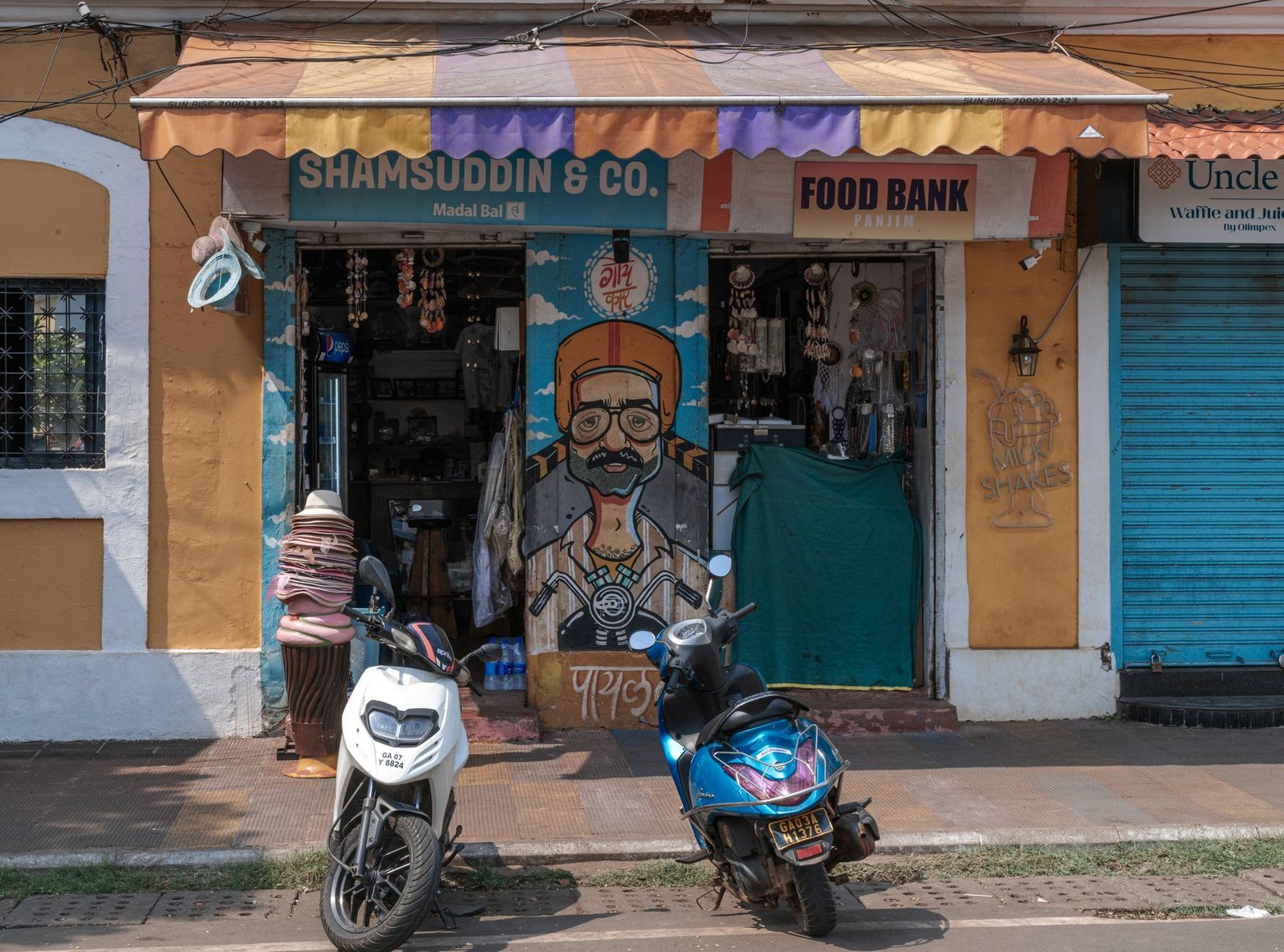
The supporting visual uses Goan arch, coast line and civil certificates so the image reinforces the same service action as the text. It is not a decorative swap; it points to documents, review marks, receiver routing and the cultural context named by the language.
Konkani Reader And Evidence Route
Konkani requests should not be routed only by language pair. The first split is the job: civil record, academic file, legal paper, company document, product label, website string, audio file, subtitle job or internal review packet. Each route asks the reviewer to protect a different kind of evidence.
The guidance uses Konkani Goa civil and family records as the main public focus because it reflects the actual user task. A person looking for that route is trying to avoid a rejected file, confused receiver, weak scan, inconsistent spelling, damaged layout or unplanned delivery format.
The desired public value is practical: A Konkani page refresh with a script/region intake asset.. The reader gets the answer where the service decision is already being made, without being sent to a separate thin article.
| Use case | Evidence to include | Reason for the extra check |
|---|---|---|
| Intake route | Konkani Goa civil and family records | Clarify Konkani script, region context, document type and final reader before translation production. |
| Failure point | Konkani script and source-form confirmation | Konkani appears in multiple scripts and regional contexts; generic treatment can produce wrong assumptions. |
| Evidence packet | Goa/coastal family, church, legal, tourism and business route selector | Attach the supporting reference before wording begins. |
| Format decision | Name/place spelling evidence table | Choose the final format before design, certification, table layout or media export work starts. |
Field-Level Review Matrix
| Decision area | What the client should send | Control before delivery |
|---|---|---|
| Focus route | Konkani Goa civil and family records | Clarify Konkani script, region context, document type and final reader before translation production. |
| Source risk | Konkani script and source-form confirmation | Konkani appears in multiple scripts and regional contexts; generic treatment can produce wrong assumptions. |
| Reader asset | Konkani script-region handoff grid for source script, location context, document type, names, receiver and output. | Use the asset before quote approval so names, dates, numbers and format decisions are not left until final proof. |
| Delivery outcome | Mixed-language note for Marathi, Kannada, Malayalam, English or Romanized files | A Konkani page refresh with a script/region intake asset. |
What To Send Before Quote Approval
- Send the full Konkani source file in reading order, including reverse pages, attachments and screenshots where relevant.
- State the final reader, receiver country or institution, and the reason the Konkani translation is needed.
- Attach accepted spellings for names, companies, places, institutions and product terms before the first draft.
- Mark handwriting, seals, stamps, damaged scans, cropped margins, mixed-language lines and unclear abbreviations.
- Use the Konkani Goa civil and family records brief to choose plain translation, certified copy, formatted PDF, bilingual table, subtitle file or editable delivery.
- Keep official-use, pricing, turnaround and acceptance wording out of the brief unless the exact evidence and approval are available.
- Add a handoff note for konkani script and source-form confirmation.
- Add a handoff note for goa/coastal family, church, legal, tourism and business route selector.
Reader, Register and Format Decision
Konkani work should be routed by reader expectation, not only by the source language name. A formal tone may be right for a court, university, bank, employer or local authority, while a clearer reader-facing style may be better for product instructions, website labels, training content, family records or support messages. The same Konkani script-region handoff grid for source script, location context, document type, names, receiver and output. can therefore need a different register, layout and explanation level depending on who will reject, approve or rely on the final version.
When the source shows Konkani appears in multiple scripts and regional contexts; generic treatment can produce wrong assumptions., the reviewer should keep a short decision log. The log can say which spelling was followed, which number or date was checked again, which stamp or handwritten area was unclear, which brand or institution term stayed fixed, and which receiver instruction controlled the final format. This protects the client from a hidden assumption becoming part of the delivered file.
Before delivery, the client and reviewer should be able to read one compact handoff note covering source order, accepted spellings, unclear areas, receiver purpose, chosen format and any certification or hard-copy need. That note is useful for Konkani certificates, contracts, manuals, transcripts, websites, subtitles, media files and business records because it shows why the final wording follows a particular route.
Practical Outcome For The Client
For the client, the decision path should be clear before Enuncia starts: identify the final reader, confirm the file type, lock names and fixed terms, mark unclear source areas, choose the delivery format and keep receiver instructions visible. That is the practical difference between a request that only mentions a language pair and a file packet that can be reviewed without avoidable back-and-forth.
Responsible wording rule: Enuncia gives English preparation guidance here. Examples in another language, certified wording, official-use promises, prices, timelines and client-specific facts should be added only when the right evidence and reviewer approval are available.
Related routes for this reader: <a href="https://enuncia.global/document-translation-services/">Document Translation Services</a>, <a href="https://enuncia.global/certified-translation-services-by-enuncia-global/">Certified Translation Services</a>. Core Enuncia routes: <a href="https://enuncia.global/get-free-quote/">Get Free Quote</a>, <a href="https://enuncia.global/certified-translation-services-by-enuncia-global/">Certified Translation Services</a>, <a href="https://enuncia.global/document-translation-services/">Document Translation Services</a>, <a href="https://enuncia.global/enuncia-global-transcription-services/">Transcription Services</a>, <a href="https://enuncia.global/enuncia-global-subtitling-services/">Subtitling and Captioning Services</a>.