
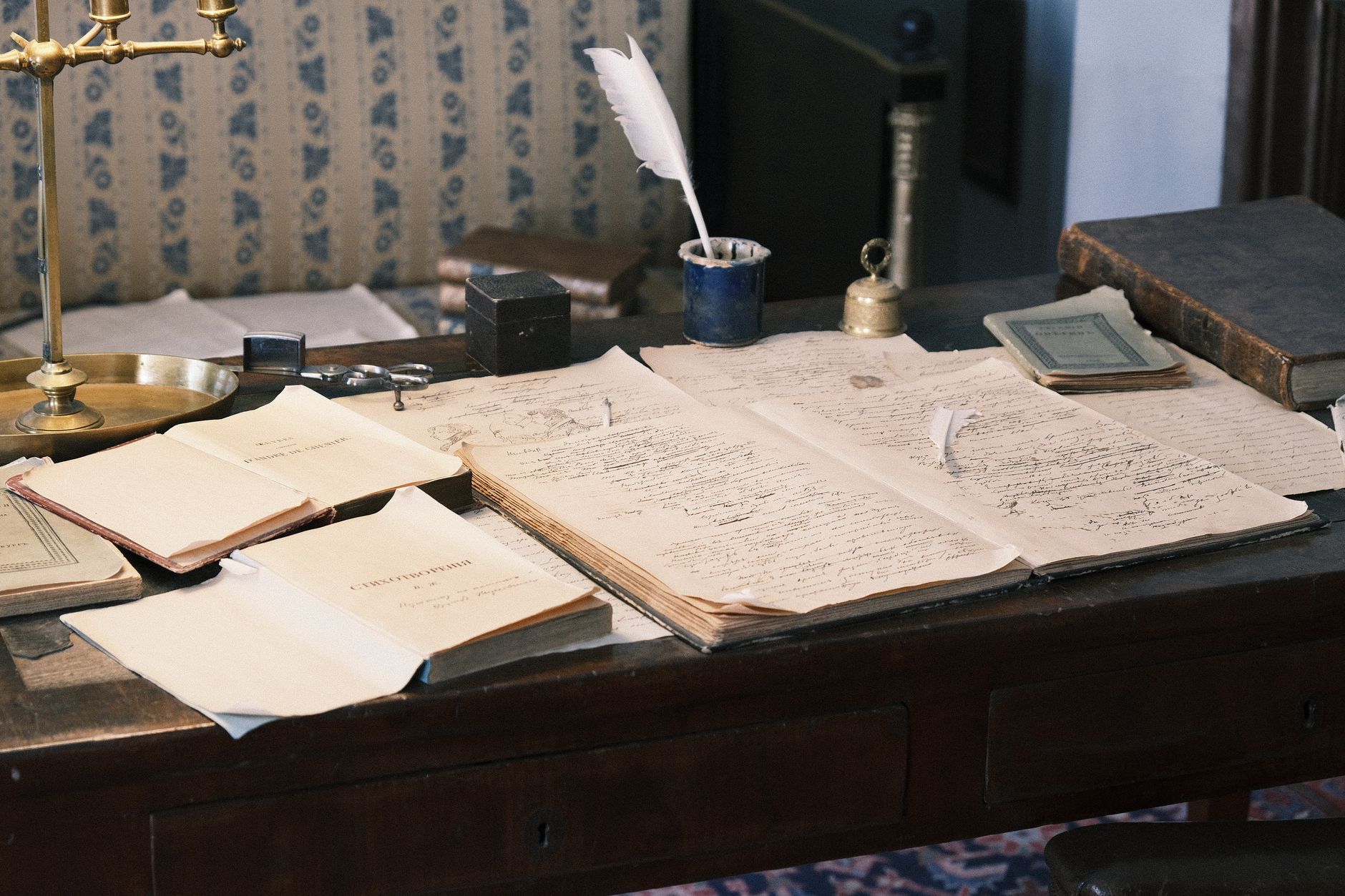
Yiddish Translation Services in India is a practical route for customers working with Jewish family, cultural and archival projects material. For Yiddish, archive boxes, family letters, synagogue records, old postcards or publication excerpts may contain names and dates that matter more than polished style. A useful translation preserves uncertainty where the handwriting or paper damage prevents a confident reading.
Yiddish projects often come from archives or family histories, where a readable explanation may be needed alongside a close translation. Yiddish translation searches often come from archival letters, family history and cultural projects where a close reading may need notes.
Yiddish Source Memo
Yiddish projects often come from archives, family letters, community records or cultural publishing. The source may be handwritten, faded, damaged or full of personal references. A useful Yiddish translation may include a close English reading plus notes for names, dates, damaged lines and historical context. Enuncia does not turn every old letter into polished modern prose. The aim is to help the reader understand what the original says and where the source is uncertain.
Jewish family, cultural and archival projects context matters because Hebrew-script Yiddish with historical and family context may appear differently across letters, family records and archival notes. A page with Hebrew script reading needs a different check from a recording where dates or cultural references is the main uncertainty. Enuncia records these distinctions before drafting, so the final Yiddish translation reads like a prepared service document rather than a reused language template.
What Makes This Work Different
Yiddish archival work values transparency; damaged words, uncertain names and old dates are noted rather than smoothed away.
Families, archives, researchers, publishers and cultural organizations need a result that answers their own review problem. In Yiddish files, Hebrew script reading and older spellings can change how letters is read, while names may decide whether an explanation note is needed. Sending the whole source gives the reviewer enough context to avoid a narrow, misleading translation. The brief can cover letters, family records, archival notes, or a mixed package that includes both documents and recorded material. Enuncia chooses the route after checking the reader, not before.
Yiddish Output Decisions
Yiddish material may involve Hebrew-script Yiddish with historical and family context. Yiddish archival text may be delivered with notes for damaged lines instead of silently smoothing the source.
For Yiddish, older handwriting, Hebrew-script forms and family-name references are reviewed conservatively. Work may arrive as letters, family records, archival notes, community documents, subtitles or publication excerpts. This is also why Yiddish translation should not be quoted from a title alone. A request around community documents, subtitles or publication excerpts may require a different reviewer, delivery format and turnaround than letters. If Hebrew script reading, older spellings or names appears in the source, Enuncia records it in the brief before the final copy is prepared.

Yiddish Review Notes
The Yiddish review checks handwriting, Hebrew-script forms, family names and publication context. Unclear source areas are noted plainly. Name spellings, institutional labels and receiver instructions are resolved through references instead of being polished away.
Extra care is needed when Hebrew script reading, older spellings, names appear together. Those details can affect letters, family records, archival notes, even when the visible text looks short. The receiver may be an archive, family historian, publisher or synagogue record keeper, so Yiddish handwriting, faded words, Hebrew-script forms and uncertain dates are reported with restraint.
Yiddish Media And Search Coverage
Yiddish archival audio benefits from careful speaker labels and conservative notes where words are damaged or unclear. Yiddish recordings can be prepared as transcripts, translated transcripts, subtitles, captions or short summaries depending on the review purpose.
Example Yiddish brief: translate a faded family letter, preserve names and dates, and note damaged words instead of replacing them with guesses.
Yiddish translation services in India is therefore written around real preparation questions: which pages are complete, which spellings matter, whether community documents or subtitles needs certification, and whether the final delivery is a document, transcript, caption file or localized web page. Search coverage stays close to Yiddish translation, Yiddish archival letters, Hebrew-script document review and Yiddish transcription because source condition shapes the output.
For repeat work, Enuncia keeps terminology notes for recurring names, product labels and service descriptions, so later batches do not drift from the first approved file. The final read asks whether the delivered file solves the real task: letters, family records, archival notes or the specific purpose named by the customer. A useful Yiddish intake pack includes page order, family names, dates, archive labels, handwriting quality and whether uncertain readings should appear in notes.
For submission work, the customer should mention whether the receiver is checking identity, education, legal meaning, medical detail, business terms or media timing. In Yiddish projects, that single note can change how letters and family records are presented.
Request A Quote
For Yiddish Translation Services in India, call +91-931-505-6112, email info@enuncia.global, or use Get Free Quote.
Yiddish Translation Review Notes
Yiddish Translation for Family, Archive and Official Records
Yiddish translation often appears in family papers, community records, archive material, certificates, letters, legal files, academic references and older documents where handwriting, names and historical context matter. A readable English copy is not always enough; the translator may need to flag uncertain words, variant spellings and damaged sections.
For official use, Enuncia Global checks whether the customer needs certified Yiddish to English translation, an archive-style reader copy, legal document translation or a formatted version for a university, court, embassy or family submission. The quote changes when the source is handwritten, old, scanned poorly or mixed with Hebrew, German, Russian or English references.
What Helps Yiddish Translation Accuracy
Send the clearest scan available, any known names or dates, the final purpose, required format and whether uncertain readings should be marked. If the file is part of a larger immigration, citizenship, family history or legal bundle, share the surrounding documents so names and relationships stay consistent.
Yiddish website or community-content translation needs a different tone from old-record translation. Enuncia Global separates certified documents, archive reading, subtitles, transcription and public-facing content so the output matches the reader and does not flatten important cultural or historical details.
Handling Older Yiddish Source Material
Older Yiddish papers may contain family names, marginal notes, abbreviations, damaged ink, folded edges or mixed-language references that are easy to miss in a quick translation. Enuncia Global treats those details as part of the file, because a family, legal or academic reviewer may be trying to connect the translation with another record.
When a word cannot be read with confidence, it is better to flag uncertainty than invent a clean sentence. That approach gives customers a more honest Yiddish translation and makes the final copy easier to explain to a receiving office, researcher or family member.
For archive projects, customers can also mention whether they need a literal record, a smoother English reading copy, or notes that preserve uncertain names and historical references.
Related Enuncia Global routes: Academic translation services, Legal document translation, Certified translation services.
For a clearer quote, share the source file, language pair, final receiver, country of use, deadline, preferred format and whether the work needs certification, transcription, subtitling, localization, apostille or attestation support.