
How To Choose A Certified Translation Agency In India
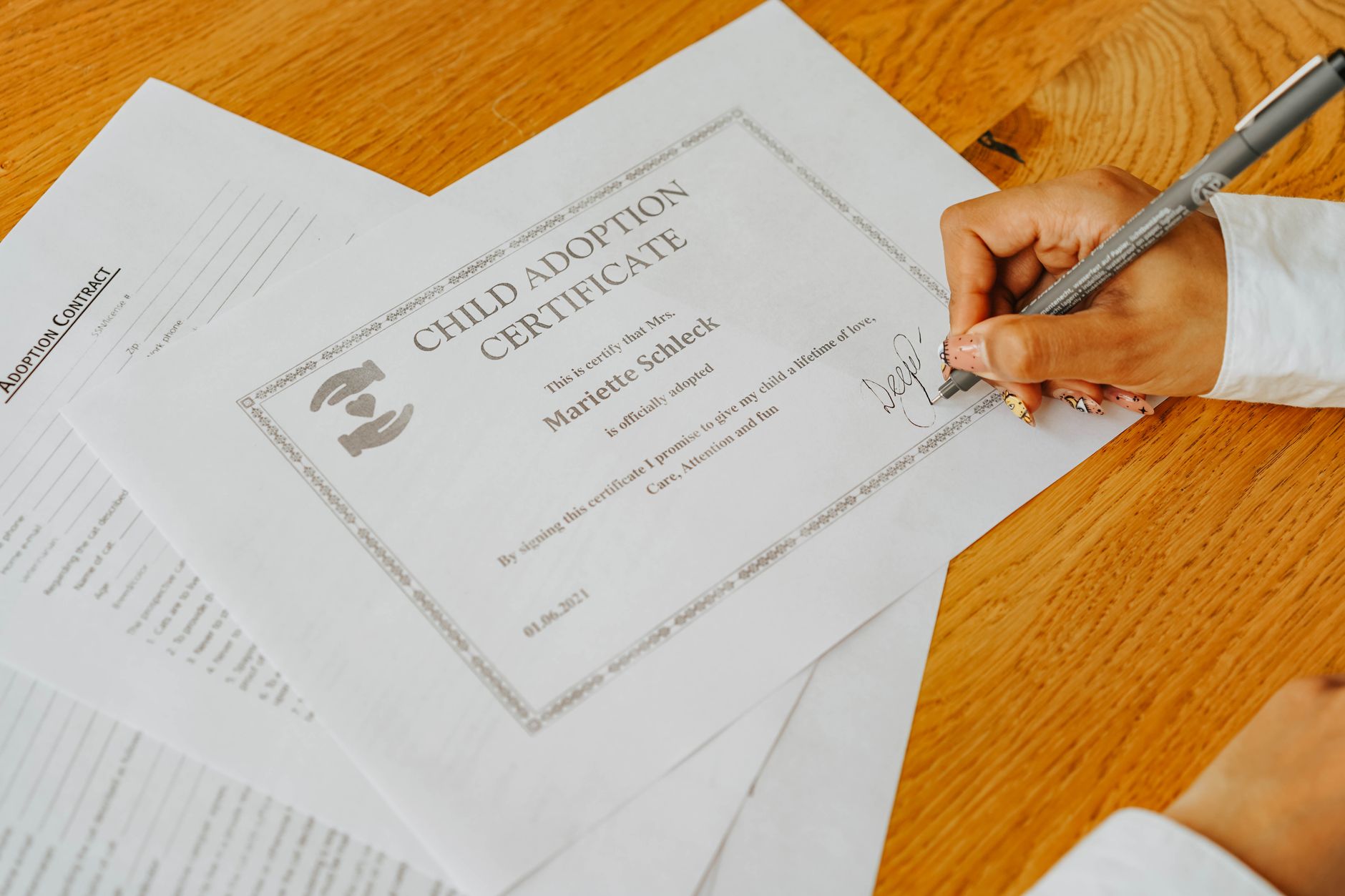
People searching for a certified translation agency in India are usually trying to avoid rejection. The document may be going to an embassy, university, employer, court, immigration consultant, bank or overseas authority.
This article explains what to check before submission so the client can separate real certified translation support from a loose translation promise.
How To Use This Guide
Use this guide to match the file, language direction, final reader and delivery format before asking for a quote.
It highlights the documents, review checks and related service routes that usually affect scope, timing and handoff.
Context Enuncia Confirms First
A certified translation agency should ask where the document will be used, which language pair is required, whether the receiver has specific wording, and whether stamps, seals, tables or handwritten notes must be represented.
The agency should also explain when certified translation is enough and when the client may need notarization, apostille, MEA attestation, embassy attestation or hard-copy delivery.
Where This Route Is Used
Certified Translation Agency in India: What Customers Should Check Before Submission commonly appears in embassy document packet, university admission, court filing, immigration record, employment file and birth certificate, marriage certificate, business contract, medical report, company document.
The right handling changes when the reader is an embassy, court, university, employer, client, platform, viewer, hospital, government office or internal review team.
certified translation agency article Decision Table
| Situation | Review point | Route impact |
|---|---|---|
| embassy document packet | receiving authority | receiver wording can change the certificate format |
| university admission | language pair | unclear scans may need clarification |
| court filing | certification wording | passport spelling should control names |
| immigration record | name spelling | legal files may need closer source alignment |
| employment file | stamp clarity | hard copy changes timing |
| birth certificate | page completeness | apostille or embassy work should not be confused with translation |
| marriage certificate | formatting | receiver wording can change the certificate format |
| business contract | hard-copy need | unclear scans may need clarification |
Practical Scenarios
- Scenario 1: embassy document packet needs receiving authority, university instruction and the final reader in mind.
- Scenario 2: for university admission, Enuncia checks whether unclear scans may need clarification.
- Scenario 3: when court filing includes company seal, the reviewer checks deadline before delivery.
- Scenario 4: a brief for immigration record should mention country of use before pricing is finalized.
- Scenario 5: employment file needs stamp clarity, contract clause and the final reader in mind.
- Scenario 6: for birth certificate, Enuncia checks whether apostille or embassy work should not be confused with translation.
- Scenario 7: when marriage certificate includes revision note, the reviewer checks receiving authority before delivery.
- Scenario 8: a brief for business contract should mention source document before pricing is finalized.
- Scenario 9: medical report needs deadline, authority email and the final reader in mind.
- Scenario 10: for company document, Enuncia checks whether legal files may need closer source alignment.
Checks Before Quoting
Before quoting, Enuncia checks receiving authority, language pair, certification wording, name spelling, stamp clarity, page completeness and formatting, hard-copy need, deadline, apostille or attestation route, confidentiality, revision process.
These checks reduce avoidable back-and-forth and make the page useful beyond a short call-to-action.
Risks To Avoid
- Risk 1: receiver wording can change the certificate format; check certificate number and hard-copy need before delivery.
- Risk 2: unclear scans may need clarification; check medical value and deadline before delivery.
- Risk 3: passport spelling should control names; check contract clause and apostille or attestation route before delivery.
- Risk 4: legal files may need closer source alignment; check company seal and confidentiality before delivery.
- Risk 5: hard copy changes timing; check translation statement and revision process before delivery.
- Risk 6: apostille or embassy work should not be confused with translation; check delivery address and receiving authority before delivery.
Detailed Review Notes
- Note 1: embassy checklist matters in university admission; Enuncia checks stamp clarity because passport spelling should control names.
- Note 2: passport line matters in court filing; Enuncia checks page completeness because legal files may need closer source alignment.
- Note 3: university instruction matters in immigration record; Enuncia checks formatting because hard copy changes timing.
- Note 4: court stamp matters in employment file; Enuncia checks hard-copy need because apostille or embassy work should not be confused with translation.
- Note 5: certificate number matters in birth certificate; Enuncia checks deadline because receiver wording can change the certificate format.
- Note 6: medical value matters in marriage certificate; Enuncia checks apostille or attestation route because unclear scans may need clarification.
- Note 7: contract clause matters in business contract; Enuncia checks confidentiality because passport spelling should control names.
- Note 8: company seal matters in medical report; Enuncia checks revision process because legal files may need closer source alignment.
- Note 9: translation statement matters in company document; Enuncia checks receiving authority because hard copy changes timing.
- Note 10: delivery address matters in embassy document packet; Enuncia checks language pair because apostille or embassy work should not be confused with translation.
- Note 11: authority email matters in university admission; Enuncia checks certification wording because receiver wording can change the certificate format.
- Note 12: revision note matters in court filing; Enuncia checks name spelling because unclear scans may need clarification.
- Note 13: receiving authority matters in immigration record; Enuncia checks stamp clarity because passport spelling should control names.
- Note 14: language pair matters in employment file; Enuncia checks page completeness because legal files may need closer source alignment.
- Note 15: certification wording matters in birth certificate; Enuncia checks formatting because hard copy changes timing.
- Note 16: name spelling matters in marriage certificate; Enuncia checks hard-copy need because apostille or embassy work should not be confused with translation.
- Note 17: stamp clarity matters in business contract; Enuncia checks deadline because receiver wording can change the certificate format.
- Note 18: page completeness matters in medical report; Enuncia checks apostille or attestation route because unclear scans may need clarification.
- Note 19: formatting matters in company document; Enuncia checks confidentiality because passport spelling should control names.
- Note 20: hard-copy need matters in embassy document packet; Enuncia checks revision process because legal files may need closer source alignment.
- Note 21: deadline matters in university admission; Enuncia checks receiving authority because hard copy changes timing.
- Note 22: apostille or attestation route matters in court filing; Enuncia checks language pair because apostille or embassy work should not be confused with translation.
- Note 23: confidentiality matters in immigration record; Enuncia checks certification wording because receiver wording can change the certificate format.
- Note 24: revision process matters in employment file; Enuncia checks name spelling because unclear scans may need clarification.
What To Share
- source document
- target language
- receiving authority
- country of use
- certification instruction
- deadline
- delivery format
FAQs
What should I send for certified translation agency article?
Send the source file, final use, target language or format, deadline and any reader, authority or platform instruction.
Can Enuncia check the route before quoting?
Yes. The team reviews the file and intended use before confirming price, timing or delivery format.
Why does this page include related links?
Internal links help readers move to the exact service route and help search engines understand how the page fits the site.
Related Enuncia Global Pages
Send Files For Review
Share the source file, final use, target language or output format, deadline and any authority, platform or reviewer instruction. Enuncia Global will confirm the right route before work starts.